
 Deutschland
 France
 Nederland
 Great Britain
 Sverige
 Danmark
 Suomi
Suomi Italia
 Polska
 Česko
Česko España
VS
BMW X1 vs Renault Rafale porównanie
Porównaj moc (326 KM vs 300 KM), bagażnik i cenę (198 100 zł vs 193 300 zł ) w jednym miejscu. Sprawdź, który samochód jest lepszym wyborem – BMW X1 czy Renault Rafale.
BMW X1 vs Renault Rafale: najważniejsze różnice
Wszystkie szczegóły dotyczące osiągów, zużycia paliwa, zasięgu i pojemności bagażnika znajdziesz w porównaniu technicznym poniżej – wraz z opiniami użytkowników o obu modelach.
X1
Koszty i zużycie
W kwestii ekonomii oba modele pokazują ciekawe różnice.
Renault Rafale jest niewiele tańszy – jego cena zaczyna się od 193 300 zł , podczas gdy BMW X1 kosztuje 198 100 zł . Różnica wynosi około 4 832 zł.
W spalaniu również widać różnice: Renault Rafale zużywa 2 L/100km i jest tym samym zauważalnie oszczędniejszy niż BMW X1, który spala 2,5 L/100km. To około 0,5 L/100km różnicy.
Pod względem zasięgu elektrycznego Renault Rafale wypada lekko lepiej: osiąga do 97 km, czyli około 16 km więcej niż BMW X1.
Rafale
Silnik i osiągi
Moc, moment obrotowy i przyspieszenie wiele mówią o tym, jak auto prowadzi się na co dzień. Tu widać, kto oferuje więcej dynamiki.
Pod względem mocy silnika BMW X1 ma minimalnie więcej mocy – 326 KM zamiast 300 KM. To różnica około 26 KM.
W przyspieszeniu 0–100 km/h BMW X1 jest w niewielkim stopniu szybszy – 5,4 s wobec 6,4 s. Różnica wynosi około 1 s sekundy.
X1
Przestrzeń i praktyczność
Samochód rodzinny czy codzienny towarzysz – który oferuje więcej miejsca, komfortu i elastyczności?
Oba samochody oferują miejsce dla 5 osób.
Pod względem masy własnej BMW X1 jest nieco lżejszy – 1 575 kg wobec 1 734 kg. Różnica to około 159 kg.
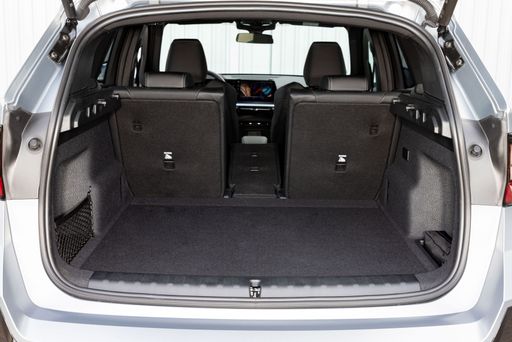
Pod względem pojemności bagażnika Renault Rafale oferuje lekko więcej miejsca – 627 L wobec 540 L. To różnica około 87 L litrów.
Pod względem ładowności BMW X1 wypada lekko lepiej – 500 kg wobec 444 kg. Różnica to około 56 kg.
Kto wygrywa wyścig w analizie danych?
BMW X1 delikatnie się wyróżnia w obiektywnym porównaniu danych.
Ta ocena pokazuje jedynie, który model zdobywa więcej punktów na papierze – nie który z dwóch samochodów jest dla Ciebie właściwy.
od 198 100 zł
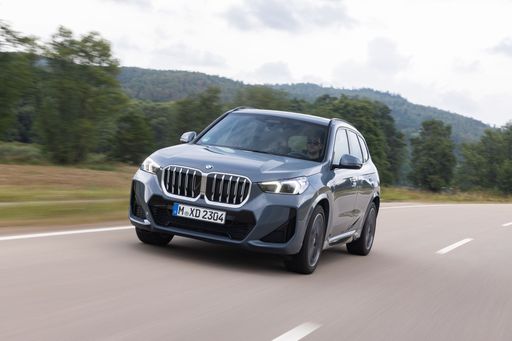
BMW X1
BMW X1
Renault Rafale
Koszty i Zużycie
Zobacz analizę szczegółową
Zobacz analizę szczegółową
Silnik i osiągi
Zobacz analizę szczegółową
Zobacz analizę szczegółową
Wymiary i Nadwozie
Zobacz analizę szczegółową
Zobacz analizę szczegółową
BMW X1
BMW X1 to kompaktowy crossover łączący dynamiczne prowadzenie z komfortem codziennego użytkowania. Wnętrze oferuje praktyczne rozwiązania i przemyślane wykończenie, dzięki czemu samochód sprawdza się dobrze zarówno w mieście, jak i na dłuższych trasach.
szczegóły
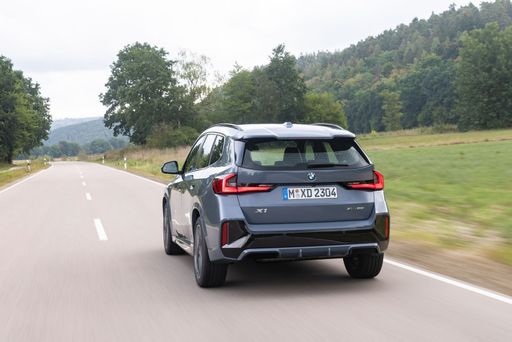
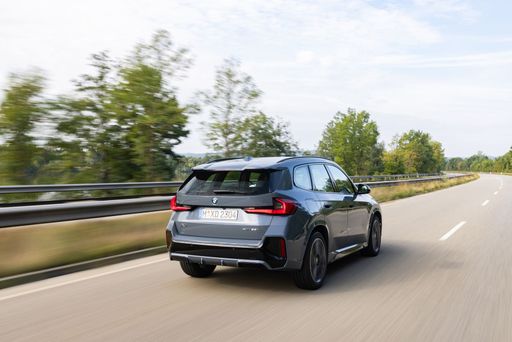
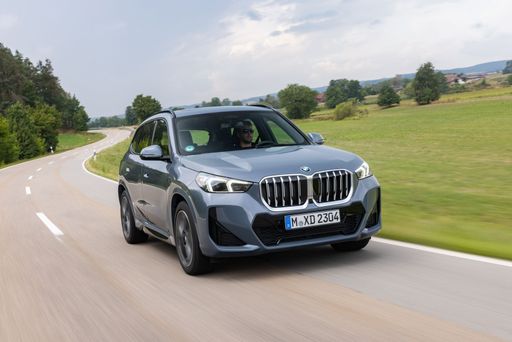
Renault Rafale
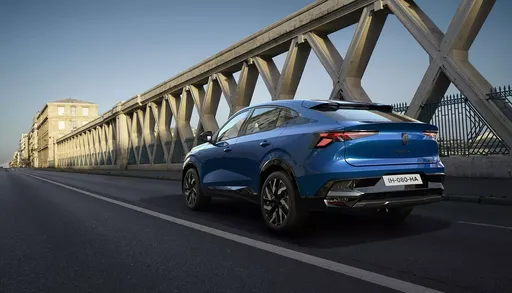
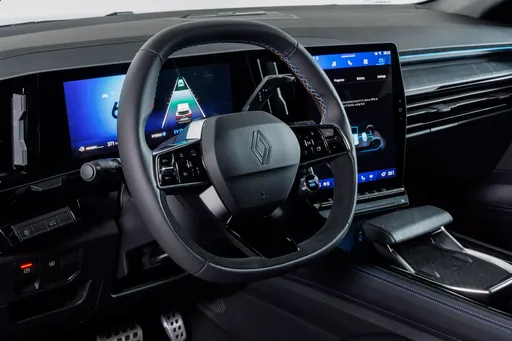
Renault Rafale wygląda, jakby projektanci spisali listę rzeczy, które mają przyciągać spojrzenia, a potem wybrali tylko najbardziej udane elementy — ostre linie i elegancja tworzą razem pewny, nowoczesny charakter. W praktyce to auto dla tych, którzy cenią komfort i nowoczesne rozwiązania na co dzień: przyjemne prowadzenie, praktyczne wnętrze i styl, który nie boi się wyróżniać na ulicy.
szczegóły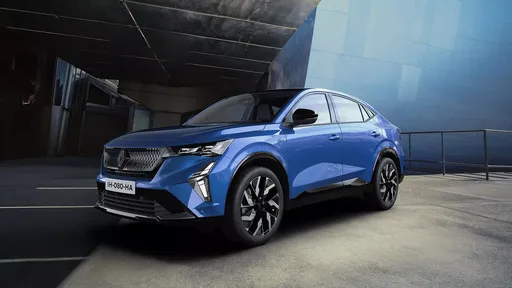
BMW X1
Renault Rafale
Koszty i Zużycie |
|
|---|---|
|
Cena
198 100 - 288 200 zł
|
Cena
193 300 - 254 800 zł
|
|
Zużycie L/100km
2,5 - 7,7 L/100km
|
Zużycie L/100km
2 - 5 L/100km
|
|
Zużycie kWh/100km
-
|
Zużycie kWh/100km
-
|
|
Zasięg elektryczny
81 km
|
Zasięg elektryczny
97 km
|
|
Pojemność baterii
-
|
Pojemność baterii
-
|
|
CO2
57 - 175 g/km
|
CO2
43 - 108 g/km
|
|
Pojemność zbiornika paliwa
-
|
Pojemność zbiornika paliwa
-
|
Wymiary i Nadwozie |
|
|---|---|
|
Typ nadwozia
SUV
|
Typ nadwozia
SUV
|
|
Miejsca siedzące
5
|
Miejsca siedzące
5
|
|
Drzwi
-
|
Drzwi
-
|
|
Masa własna
1 575 - 1 935 kg
|
Masa własna
1 734 - 2 025 kg
|
|
Pojemność bagażnika
490 - 540 L
|
Pojemność bagażnika
539 - 627 L
|
|
Długość
-
|
Długość
-
|
|
Szerokość
1 845 mm
|
Szerokość
1 886 mm
|
|
Wysokość
-
|
Wysokość
-
|
|
Maksymalna pojemność bagażnika
-
|
Maksymalna pojemność bagażnika
-
|
|
Ładowność
490 - 500 kg
|
Ładowność
415 - 444 kg
|
Silnik i osiągi |
|
|---|---|
|
Typ silnika
Mild Hybrid Diesel, Mild Hybrid Benzyna, Benzyna, Diesel, Hybryda plug-in
|
Typ silnika
Hybryda pełna, Hybryda plug-in
|
|
Skrzynia biegów
Automatyczna
|
Skrzynia biegów
Automatyczna
|
|
Szczegóły skrzyni biegów
Automatyczna dwusprzęgłowa
|
Szczegóły skrzyni biegów
Automatyczna skrzynia biegów
|
|
Rodzaj napędu
Napęd na przednie koła, Napęd na cztery koła
|
Rodzaj napędu
Napęd na przednie koła, Napęd na cztery koła
|
|
Moc KM
136 - 326 KM
|
Moc KM
200 - 300 KM
|
|
Przyspieszenie 0-100 km/h
5,4 - 9,2 s
|
Przyspieszenie 0-100 km/h
6,4 - 8,9 s
|
|
Maksymalna prędkość
-
|
Maksymalna prędkość
-
|
|
Moment obrotowy
230 - 477 Nm
|
Moment obrotowy
-
|
|
Liczba cylindrów
3 - 4
|
Liczba cylindrów
3
|
|
Moc kW
100 - 240 kW
|
Moc kW
147 - 221 kW
|
|
Pojemność silnika
1 499 - 1 998 cm3
|
Pojemność silnika
1 199 cm3
|
Ogólne |
|
|---|---|
|
Rok modelowy
2 024 - 2 025
|
Rok modelowy
2025
|
|
Klasa efektywności CO2
D, E, F, B
|
Klasa efektywności CO2
C, B
|
|
Marka
BMW
|
Marka
Renault
|
DriveDuel wykorzystuje analizę danych i sztuczną inteligencję do analizy danych pojazdów oraz tworzenia treści. Treści są regularnie sprawdzane i ulepszane.
Wyświetlane ceny są wartościami orientacyjnymi opartymi na niemieckich cenach katalogowych, dostosowanych do stawek VAT obowiązujących w danym kraju. Podatki rejestracyjne obowiązujące w poszczególnych krajach nie są uwzględnione. Informacje te nie są prawnie wiążące.