
 Deutschland
 France
 Nederland
 Great Britain
 Sverige
 Danmark
 Suomi
Suomi Italia
 Polska
 España
VS
BMW X3 vs Mercedes C Class Wagon porównanie
Porównaj moc (398 KM vs 680 KM), bagażnik i cenę (262 700 zł vs 218 300 zł ) w jednym miejscu. Sprawdź, który samochód jest lepszym wyborem – BMW X3 czy Mercedes C Class Wagon.
X3
Koszty i zużycie
Porównanie ceny i zużycia paliwa często pokazuje największe różnice. Tu decyduje się, który model lepiej pasuje do budżetu.
Mercedes C Class Wagon jest widocznie tańszy – jego cena zaczyna się od 218 300 zł , podczas gdy BMW X3 kosztuje 262 700 zł . Różnica wynosi około 44 367 zł.
W spalaniu również widać różnice: Mercedes C Class Wagon zużywa 0,4 L/100km i jest tym samym wyraźnie bardziej oszczędniejszy niż BMW X3, który spala 2,8 L/100km. To około 2,4 L/100km różnicy.
Pod względem zasięgu elektrycznego Mercedes C Class Wagon wypada zauważalnie lepiej: osiąga do 112 km, czyli około 24 km więcej niż BMW X3.
C Class Wagon
Silnik i osiągi
Moc, moment obrotowy i przyspieszenie wiele mówią o tym, jak auto prowadzi się na co dzień. Tu widać, kto oferuje więcej dynamiki.
Pod względem mocy silnika Mercedes C Class Wagon ma znacznie więcej mocy – 680 KM zamiast 398 KM. To różnica około 282 KM.
W przyspieszeniu 0–100 km/h Mercedes C Class Wagon jest odczuwalnie szybszy – 3,4 s wobec 4,6 s. Różnica wynosi około 1,2 s sekundy.
Pod względem prędkości maksymalnej Mercedes C Class Wagon jest trochę szybszy – osiąga 280 km/h, podczas gdy BMW X3 kończy na 250 km/h. Różnica to około 30 km/h.
Różnica widoczna jest również w momencie obrotowym: Mercedes C Class Wagon ciągnie wyraźnie mocniej – 1 020 Nm wobec 670 Nm. Różnica to około 350 Nm.
X3
Przestrzeń i praktyczność
Wnętrze, bagażnik i ładowność mają kluczowe znaczenie w codziennym użytkowaniu. Liczy się komfort i elastyczność.
Oba samochody oferują miejsce dla 5 osób.
Pod względem masy własnej Mercedes C Class Wagon jest niewiele lżejszy – 1 755 kg wobec 1 930 kg. Różnica to około 175 kg.
Pod względem pojemności bagażnika BMW X3 oferuje w niewielkim stopniu więcej miejsca – 570 L wobec 490 L. To różnica około 80 L litrów.
W maksymalnej pojemności ładunkowej BMW X3 wypada trochę lepiej – do 1 700 L, czyli o około 325 L więcej niż Mercedes C Class Wagon.
Pod względem ładowności BMW X3 wypada minimalnie lepiej – 570 kg wobec 565 kg. Różnica to około 5 kg.
Kto wygrywa wyścig w analizie danych?
Mercedes C Class Wagon nie daje rywalowi większych szans w obiektywnym porównaniu danych.
Ta ocena pokazuje jedynie, który model zdobywa więcej punktów na papierze – nie który z dwóch samochodów jest dla Ciebie właściwy.
od 218 300 zł
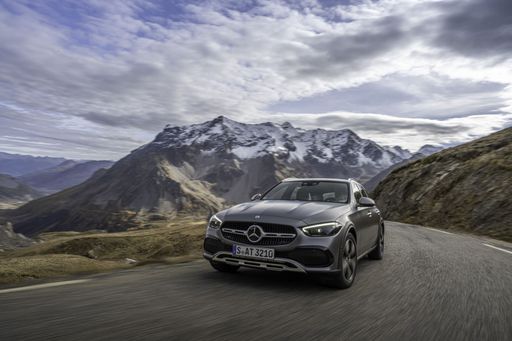
Mercedes C Class Wagon
BMW X3
Mercedes C Class Wagon
Koszty i Zużycie
Zobacz analizę szczegółową
Zobacz analizę szczegółową
Silnik i osiągi
Zobacz analizę szczegółową
Zobacz analizę szczegółową
Wymiary i Nadwozie
Zobacz analizę szczegółową
Zobacz analizę szczegółową
BMW X3
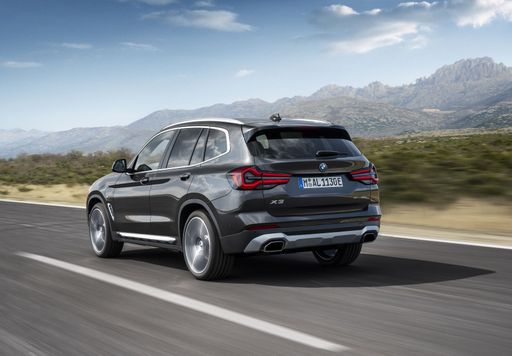
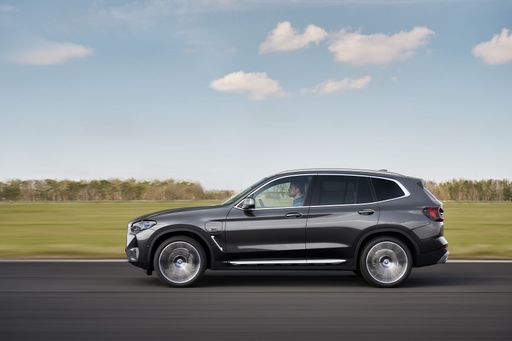
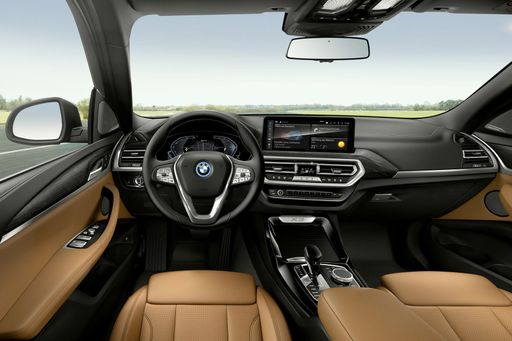
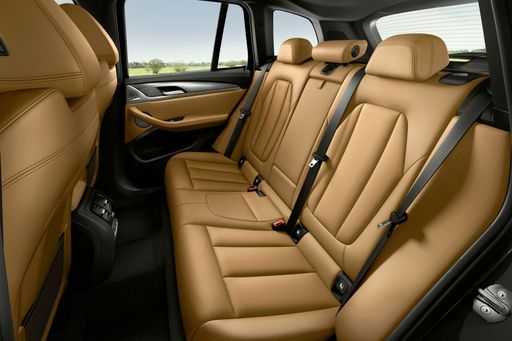
BMW X3 to SUV dla kierowców, którzy chcą sportowego charakteru połączonego z wygodą na co dzień; prowadzi się pewnie i z klasą. Jeśli szukasz auta, które wygląda poważnie, ale potrafi dostarczyć odrobinę frajdy za kierownicą, trudno znaleźć lepszy kompromis.
szczegóły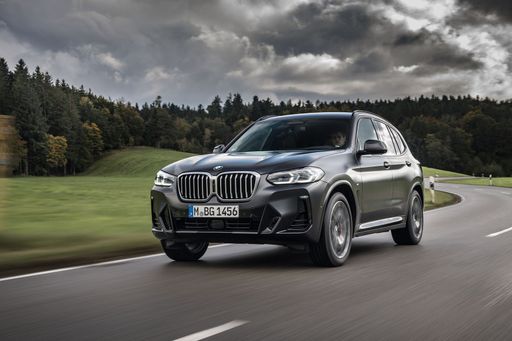
Mercedes C Class Wagon
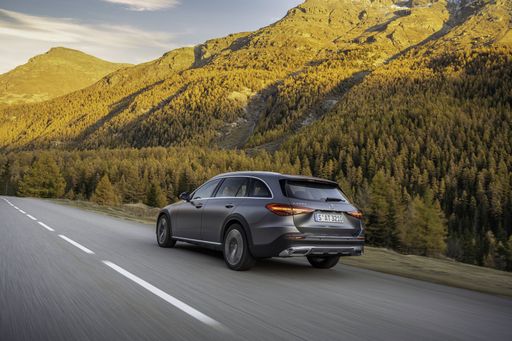
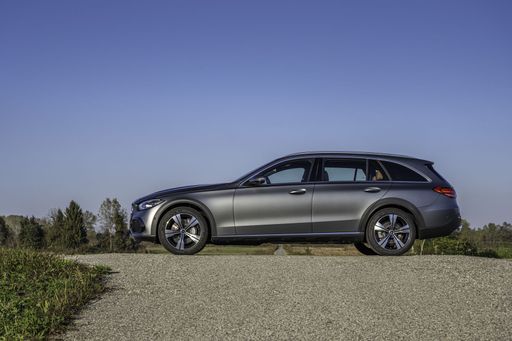
Mercedes C‑Klasa kombi to eleganckie i praktyczne kombi, które łączy wyrafinowany styl i komfort podróżowania z przestrzenią bagażową idealną na rodzinne wyjazdy. Wnętrze emanuje dopracowanym luksusem, a prowadzenie jest pewne i przyjemne — idealne dla tych, którzy chcą prestiżu bez przesadnej ekstrawagancji.
szczegóły
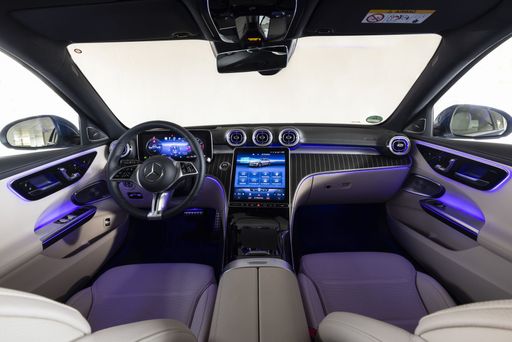
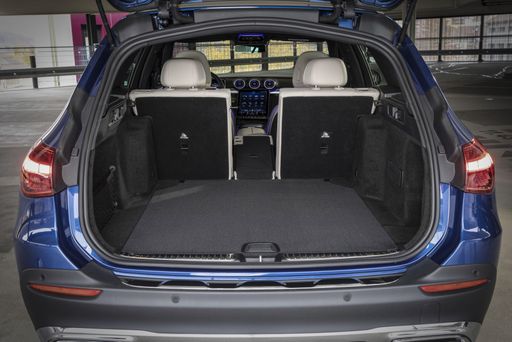
BMW X3
Mercedes C Class Wagon
Koszty i Zużycie |
|
|---|---|
|
Cena
262 700 - 371 200 zł
|
Cena
218 300 - 534 800 zł
|
|
Zużycie L/100km
2,8 - 7,7 L/100km
|
Zużycie L/100km
0,4 - 9 L/100km
|
|
Zużycie kWh/100km
-
|
Zużycie kWh/100km
-
|
|
Zasięg elektryczny
88 km
|
Zasięg elektryczny
11 - 112 km
|
|
Pojemność baterii
-
|
Pojemność baterii
19,5 kWh
|
|
CO2
64 - 175 g/km
|
CO2
11 - 205 g/km
|
|
Pojemność zbiornika paliwa
60 - 65 L
|
Pojemność zbiornika paliwa
50 - 60 L
|
Wymiary i Nadwozie |
|
|---|---|
|
Typ nadwozia
SUV
|
Typ nadwozia
Kombi
|
|
Miejsca siedzące
5
|
Miejsca siedzące
5
|
|
Drzwi
5
|
Drzwi
5
|
|
Masa własna
1 930 - 2 140 kg
|
Masa własna
1 755 - 2 235 kg
|
|
Pojemność bagażnika
460 - 570 L
|
Pojemność bagażnika
360 - 490 L
|
|
Długość
4 755 mm
|
Długość
4 751 - 4 842 mm
|
|
Szerokość
1 920 mm
|
Szerokość
1 820 - 1 900 mm
|
|
Wysokość
1 660 mm
|
Wysokość
1 454 - 1 474 mm
|
|
Maksymalna pojemność bagażnika
1 700 L
|
Maksymalna pojemność bagażnika
1 375 L
|
|
Ładowność
570 kg
|
Ładowność
440 - 565 kg
|
Silnik i osiągi |
|
|---|---|
|
Typ silnika
Mild Hybrid Benzyna, Mild Hybrid Diesel, Hybryda plug-in
|
Typ silnika
Mild Hybrid Benzyna, Hybryda plug-in, Mild Hybrid Diesel
|
|
Skrzynia biegów
Automatyczna
|
Skrzynia biegów
Automatyczna
|
|
Szczegóły skrzyni biegów
Automatyczna skrzynia biegów
|
Szczegóły skrzyni biegów
Automatyczna skrzynia biegów
|
|
Rodzaj napędu
Napęd na cztery koła
|
Rodzaj napędu
Napęd na tylne koła, Napęd na cztery koła
|
|
Moc KM
197 - 398 KM
|
Moc KM
186 - 680 KM
|
|
Przyspieszenie 0-100 km/h
4,6 - 7,8 s
|
Przyspieszenie 0-100 km/h
3,4 - 8,8 s
|
|
Maksymalna prędkość
215 - 250 km/h
|
Maksymalna prędkość
232 - 280 km/h
|
|
Moment obrotowy
330 - 670 Nm
|
Moment obrotowy
250 - 1 020 Nm
|
|
Liczba cylindrów
4 - 6
|
Liczba cylindrów
4
|
|
Moc kW
145 - 293 kW
|
Moc kW
137 - 500 kW
|
|
Pojemność silnika
1 995 - 2 998 cm3
|
Pojemność silnika
1 496 - 1 999 cm3
|
Ogólne |
|
|---|---|
|
Rok modelowy
2 024 - 2 025
|
Rok modelowy
2 024 - 2 025
|
|
Klasa efektywności CO2
F, E, B
|
Klasa efektywności CO2
E, F, G, B, D
|
|
Marka
BMW
|
Marka
Mercedes-Benz
|
DriveDuel använder dataanalys och artificiell intelligens för att analysera fordonsdata och skapa innehåll. Innehållet granskas och förbättras regelbundet.
De visade priserna är uppskattningar baserade på tyska listpriser, justerade efter respektive lands moms. Landspecifika registreringsskatter ingår inte. Denna information är inte juridiskt bindande.