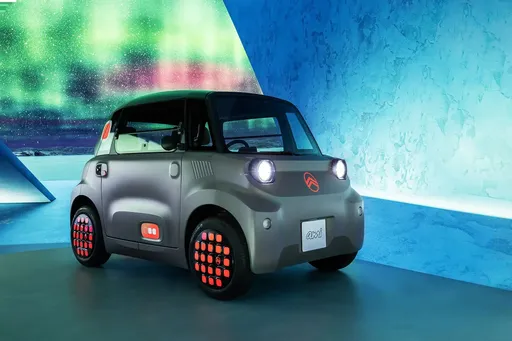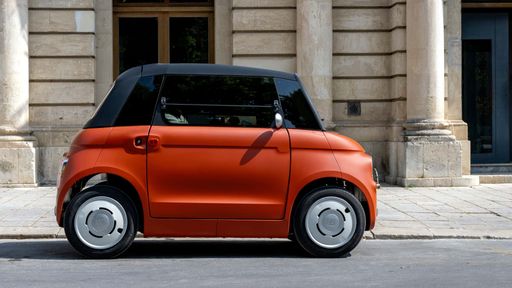
VS

Citroen Ami vs Fiat Topolino – Osiągi, zasięg i zużycie w porównaniu

Dwa auta, jedno starcie: Citroen Ami kontra Fiat Topolino.
Które wypada lepiej pod względem osiągów, zużycia i relacji ceny do jakości? Sprawdź teraz!

The automotive landscape is rapidly evolving, especially with the rise of urban mobility solutions. As cities become more congested and the demand for eco-friendly transport increases, manufacturers are responding with innovative vehicles targeted toward city dwellers. Among this new breed of microcars are the Citroën Ami and the Fiat Topolino. Both offer a seamless blend of practicality and sustainability, making them ideal for navigating busy streets. In this comparison, we dive into their technical specifications and unique features to see how they stack up against each other.

Design and Dimensions

Starting with aesthetics, both the Citroën Ami and the Fiat Topolino showcase distinct styling that resonates with modern urban consumers. The Ami measures 2410 mm in length, 1388 mm in width, and 1525 mm in height, while the Topolino is slightly larger, with dimensions of 2535 mm in length, 1400 mm in width, and 1530 mm in height. This size difference makes the Fiat slightly bulkier, which some may prefer for its added road presence.

Powertrains and Performance

Under the hood, both vehicles are powered by highly efficient electric engines that deliver 8 HP (6 kW) with a torque of 44 Nm. This common engine setup provides both models with an electric range of 75 km, a perfect fit for urban commuting. Furthermore, they feature an automatic transmission with a reduction gearbox, ensuring smooth driving in city traffic.

When it comes to speed, both cars max out at 45 km/h. This limit is well-suited to city driving, where speed is not the primary concern. The Ami slightly edges out the Topolino in terms of curb weight, at 558 kg compared to the Topolino's 562 kg. This marginal difference may result in slightly improved agility for the Ami, but the effect is negligible for everyday driving scenarios.

Interior and Comfort

Both vehicles are designed as two-seaters, ensuring a compact design that does not sacrifice passenger comfort. The trunk capacity in both models is 63 liters, providing adequate storage for daily groceries or small bags. Each car features two doors, steering wheels, and other essential controls, achieving simplicity and ease of use.

Sustainability and Efficiency

In terms of environmental impact, both the Citroën Ami and the Fiat Topolino excel. They achieve a CO2 efficiency class of A and produce zero emissions (0 g/km). This makes them a perfect choice for eco-conscious consumers looking to minimize their carbon footprint while commuting in urban areas. With a battery capacity of 5.4 kWh, both models deliver impressive energy efficiency, ensuring they can handle daily travel needs effectively.

Payload and Practicality

The payload capacity reflects how much additional weight each vehicle can carry. The Ami can manage a payload of 142 kg, whereas the Topolino holds a slight disadvantage with 138 kg. This aspect could play a role when it comes to transporting extra cargo or passengers, although both figures are more than sufficient for typical city use.

Innovative Features

Innovations in both vehicles lie not only in their electric powertrains but also in their design ethos. The Ami's unique approach to personal mobility—a highly compact and modular design—is matched by the Topolino's smart integration of technology and practicality. Furthermore, both models emphasize user-friendly interface and connectivity, allowing drivers to stay connected with their apps and navigation systems as they navigate city streets.

Conclusion: Which One to Choose?

Ultimately, the choice between the Citroën Ami and the Fiat Topolino comes down to personal preference and specific urban needs. Fans of Citroën's playful design and slightly lower weight may prefer the Ami, while those leaning toward the Fiat's larger footprint and brand heritage might find the Topolino more appealing. Both vehicles stand as testaments to the future of city driving, emphasizing sustainability, efficiency, and convenience for the urban commuter.

Szczegóły techniczne: konkretne różnice między modelami

Koszty i zużycie

W kwestii ekonomii oba modele pokazują ciekawe różnice.

Citroen Ami ma czytelny przewagę cenową – jego cena zaczyna się od 35100 zł, podczas gdy Fiat Topolino kosztuje 43400 zł. Różnica wynosi około 8347 zł.

Zasięg jest praktycznie identyczny – oba auta przejeżdżają około 75 km na jednym ładowaniu.

Silnik i osiągi

Moc, moment i przyspieszenie to klasyczne parametry, na których skupiają się entuzjaści – tu widać ciekawe różnice.

Oba modele oferują taką samą moc – 8 KM KM.

Prędkość maksymalna jest identyczna – oba auta osiągają 45 km/h.

Różnica widoczna jest również w momencie obrotowym: Fiat Topolino ciągnie prawie niezauważalny mocniej – 44 Nm wobec 40 Nm. Różnica to około 4 Nm.

Przestrzeń i praktyczność

Poza mocą liczy się też wygoda i funkcjonalność. Tu decyduje się, który samochód jest bardziej praktyczny i wszechstronny.

Oba samochody oferują miejsce dla 2 osób.

Pod względem masy własnej Citroen Ami jest nieco lżejszy – 470 kg wobec 562 kg. Różnica to około 92 kg kg.

Oba modele mają taką samą pojemność bagażnika – 63 L litrów.

Pod względem ładowności Citroen Ami wypada wyraźny lepiej – 230 kg wobec 138 kg. Różnica to około 92 kg kg.

Kto wygrywa pojedynek?

Citroen Ami okazał się dominuje w porównaniu i tym samym zdobywa tytuł DriveDuel Champion!
W tym porównaniu Citroen Ami to bardziej wszechstronny wybór.

od około 35 100 zł
default

Citroen Ami

  • Typ silnika : Elektryczny
  • Skrzynia biegów : Automatyczna
  • Rodzaj napędu : Napęd na przednie koła
  • Moc KM : 8 KM
  • Zasięg elektryczny : 75 km

Citroen Ami

5 (1)
oceń

Citroën Ami wygląda jak projekt przyszłości przeniesiony na miasto — kompaktowy, pogodny i z charakterem, który nie udaje większego niż jest. To idealna opcja dla tych, którzy chcą szybko i bez stresu przemieszczać się po miejskich ulicach; nie porwie adrenaliny, ale pozwoli ominąć korki z uśmiechem i niskimi kosztami eksploatacji.

szczegóły

Fiat Topolino

Fiat Topolino to urokliwy powrót do klasycznej motoryzacji, który kusi retro detalami i miejskim temperamentem. Zwinny charakter i sympatyczna osobowość czynią go świetnym wyborem dla tych, którzy chcą wyróżnić się w miejskim tłumie i czerpać radość z codziennych dojazdów.

szczegóły
Citroen Ami
Fiat Topolino

Koszty i Zużycie

Cena
35100 - 42100 zł
Cena
43400 zł
Zużycie L/100km
-
Zużycie L/100km
-
Zużycie kWh/100km
-
Zużycie kWh/100km
-
Zasięg elektryczny
75 km
Zasięg elektryczny
75 km
Pojemność baterii
5.40 kWh
Pojemność baterii
5.40 kWh
CO2
0 g/km
CO2
0 g/km
Pojemność zbiornika paliwa
-
Pojemność zbiornika paliwa
-

Wymiary i Nadwozie

Typ nadwozia
Hatchback
Typ nadwozia
Hatchback
Miejsca siedzące
2
Miejsca siedzące
2
Drzwi
2
Drzwi
2 - 3
Masa własna
470 - 483 kg
Masa własna
562 kg
Pojemność bagażnika
63 L
Pojemność bagażnika
63 L
Długość
2460 mm
Długość
2535 mm
Szerokość
1390 mm
Szerokość
1400 mm
Wysokość
1525 mm
Wysokość
1530 mm
Maksymalna pojemność bagażnika
-
Maksymalna pojemność bagażnika
-
Ładowność
217 - 230 kg
Ładowność
138 kg

Silnik i Wydajność

Typ silnika
Elektryczny
Typ silnika
Elektryczny
Skrzynia biegów
Automatyczna
Skrzynia biegów
Automatyczna
Szczegóły skrzyni biegów
Reduktor
Szczegóły skrzyni biegów
Reduktor
Rodzaj napędu
Napęd na przednie koła
Rodzaj napędu
Napęd na przednie koła
Moc KM
8 KM
Moc KM
8 KM
Przyspieszenie 0-100km/h
-
Przyspieszenie 0-100km/h
-
Maksymalna prędkość
45 km/h
Maksymalna prędkość
45 km/h
Moment obrotowy
40 Nm
Moment obrotowy
44 Nm
Liczba cylindrów
-
Liczba cylindrów
-
Moc kW
6 kW
Moc kW
6 kW
Pojemność silnika
-
Pojemność silnika
-

Ogólne

Rok modelowy
2025
Rok modelowy
2023
Klasa efektywności CO2
A
Klasa efektywności CO2
A
Marka
Citroen
Marka
Fiat
Jakie wersje napędu oferuje Citroen Ami?

Citroen Ami jest dostępny z napędem Napęd na przednie koła.

Wyświetlane ceny i dane są szacunkowe, oparte na niemieckich cenach katalogowych i mogą się różnić w zależności od kraju. Te informacje nie stanowią wiążącej oferty.