
 Deutschland
 France
 Nederland
 Great Britain
 Sverige
 Danmark
 Suomi
Suomi Italia
 Polska
 Česko
Česko España
VS
Mercedes Sprinter Bus vs Maxus Deliver 9 porównanie
Porównaj moc (190 KM vs 204 KM), bagażnik i cenę (212 100 zł vs 198 600 zł ) w jednym miejscu. Sprawdź, który samochód jest lepszym wyborem – Mercedes Sprinter Bus czy Maxus Deliver 9.
Mercedes Sprinter Bus vs Maxus Deliver 9: najważniejsze różnice
Sprinter Bus
Koszty i zużycie
W kwestii ekonomii oba modele pokazują ciekawe różnice.
Maxus Deliver 9 jest ledwo tańszy – jego cena zaczyna się od 198 600 zł , podczas gdy Mercedes Sprinter Bus kosztuje 212 100 zł . Różnica wynosi około 13 499 zł.
W spalaniu również widać różnice: Maxus Deliver 9 zużywa 8,8 L/100km i jest tym samym niewiele oszczędniejszy niż Mercedes Sprinter Bus, który spala 9,3 L/100km. To około 0,5 L/100km różnicy.
Deliver 9
Silnik i osiągi
Moc, moment i przyspieszenie to klasyczne parametry, na których skupiają się entuzjaści – tu widać ciekawe różnice.
Pod względem mocy silnika Maxus Deliver 9 ma minimalnie więcej mocy – 204 KM zamiast 190 KM. To różnica około 14 KM.
Różnica widoczna jest również w momencie obrotowym: Mercedes Sprinter Bus ciągnie w niewielkim stopniu mocniej – 450 Nm wobec 375 Nm. Różnica to około 75 Nm.
Przestrzeń i praktyczność
Samochód rodzinny czy codzienny towarzysz – który oferuje więcej miejsca, komfortu i elastyczności?
Miejsca siedzące: Maxus Deliver 9 oferuje więcej miejsc siedzących – 7 wobec 2.
Pod względem masy własnej Mercedes Sprinter Bus jest ledwo lżejszy – 2 356 kg wobec 2 360 kg. Różnica to około 4 kg.
Pod względem ładowności Mercedes Sprinter Bus wypada niewiele lepiej – 1 144 kg wobec 1 140 kg. Różnica to około 4 kg.
Kto wygrywa wyścig w analizie danych?
Maxus Deliver 9 jest zdecydowanie lepszy w obiektywnym porównaniu danych.
Ta ocena pokazuje jedynie, który model zdobywa więcej punktów na papierze – nie który z dwóch samochodów jest dla Ciebie właściwy.
od 198 600 zł
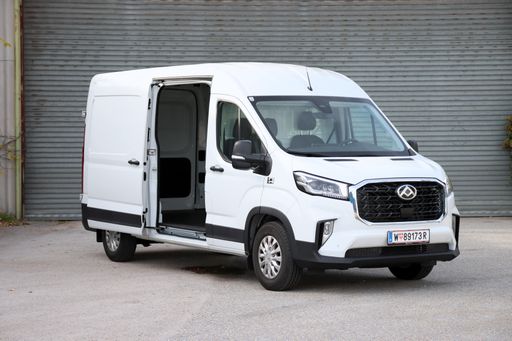
Maxus Deliver 9
Mercedes Sprinter Bus
Maxus Deliver 9
Koszty i Zużycie
Zobacz analizę szczegółową
Zobacz analizę szczegółową
Silnik i osiągi
Zobacz analizę szczegółową
Zobacz analizę szczegółową
Wymiary i Nadwozie
Zobacz analizę szczegółową
Zobacz analizę szczegółową
Mercedes Sprinter Bus
Mercedes Sprinter to solidna i praktyczna propozycja dla tych, którzy potrzebują dużo przestrzeni pod kontrolą — komfortowy dla pasażerów i pewny w prowadzeniu, nawet na miejskich arteriach. Z eleganckim, przemyślanym wnętrzem i oszczędną stylistyką sprawdzi się zarówno jako autobus miejski, jak i turystyczny, a przy tym nie udaje sportowego coupe, tylko robi to, co ma robić: przewozi ludzi bez zbędnego blichtru.
szczegóły
Maxus Deliver 9
Maxus Deliver 9 to użytkowy van stworzony do ciężkiej pracy — solidny, przestronny i skoncentrowany na ekonomii, idealny dla firm, które wolą praktyczne rozwiązania zamiast designerskich fajerwerków. Nie oczekuj wrażeń z jazdy sportowej, ale liczyć możesz na bezawaryjność i łatwość użytkowania, co w praktyce oznacza mniej stresu i więcej dowiezionych zleceń.
szczegóły
Mercedes Sprinter Bus
Maxus Deliver 9
Koszty i Zużycie |
|
|---|---|
|
Cena
212 100 - 286 700 zł
|
Cena
198 600 - 308 400 zł
|
|
Zużycie L/100km
9,3 - 12,3 L/100km
|
Zużycie L/100km
8,8 L/100km
|
|
Zużycie kWh/100km
-
|
Zużycie kWh/100km
26,2 - 30,8 kWh/100km
|
|
Zasięg elektryczny
-
|
Zasięg elektryczny
287 - 358 km
|
|
Pojemność baterii
-
|
Pojemność baterii
-
|
|
CO2
244 - 322 g/km
|
CO2
0 - 231 g/km
|
|
Pojemność zbiornika paliwa
71 L
|
Pojemność zbiornika paliwa
-
|
Wymiary i Nadwozie |
|
|---|---|
|
Typ nadwozia
Bus
|
Typ nadwozia
Van
|
|
Miejsca siedzące
2
|
Miejsca siedzące
3 - 7
|
|
Drzwi
4
|
Drzwi
-
|
|
Masa własna
2 356 - 2 559 kg
|
Masa własna
2 360 - 2 770 kg
|
|
Pojemność bagażnika
-
|
Pojemność bagażnika
-
|
|
Długość
5 932 - 6 967 mm
|
Długość
-
|
|
Szerokość
1 993 mm
|
Szerokość
2 062 mm
|
|
Wysokość
2 633 - 2 659 mm
|
Wysokość
-
|
|
Maksymalna pojemność bagażnika
-
|
Maksymalna pojemność bagażnika
-
|
|
Ładowność
814 - 1 144 kg
|
Ładowność
730 - 1 140 kg
|
Silnik i osiągi |
|
|---|---|
|
Typ silnika
Diesel
|
Typ silnika
Diesel, Elektryczny
|
|
Skrzynia biegów
Manuel, Automatyczna
|
Skrzynia biegów
Manuel, Automatyczna
|
|
Szczegóły skrzyni biegów
Manualna skrzynia biegów, Automatyczna skrzynia biegów
|
Szczegóły skrzyni biegów
Manualna skrzynia biegów, Reduktor
|
|
Rodzaj napędu
Napęd na tylne koła, Napęd na cztery koła
|
Rodzaj napędu
Napęd na przednie koła
|
|
Moc KM
114 - 190 KM
|
Moc KM
148 - 204 KM
|
|
Przyspieszenie 0-100 km/h
-
|
Przyspieszenie 0-100 km/h
16 - 19 s
|
|
Maksymalna prędkość
150 - 159 km/h
|
Maksymalna prędkość
-
|
|
Moment obrotowy
300 - 450 Nm
|
Moment obrotowy
330 - 375 Nm
|
|
Liczba cylindrów
4
|
Liczba cylindrów
4
|
|
Moc kW
84 - 140 kW
|
Moc kW
108 - 150 kW
|
|
Pojemność silnika
1 950 cm3
|
Pojemność silnika
1 996 cm3
|
Ogólne |
|
|---|---|
|
Rok modelowy
2 024 - 2 025
|
Rok modelowy
2 022 - 2 024
|
|
Klasa efektywności CO2
G
|
Klasa efektywności CO2
G, A
|
|
Marka
Mercedes-Benz
|
Marka
Maxus
|
DriveDuel wykorzystuje analizę danych i sztuczną inteligencję do analizy danych pojazdów oraz tworzenia treści. Treści są regularnie sprawdzane i ulepszane.
Wyświetlane ceny są wartościami orientacyjnymi opartymi na niemieckich cenach katalogowych, dostosowanych do stawek VAT obowiązujących w danym kraju. Podatki rejestracyjne obowiązujące w poszczególnych krajach nie są uwzględnione. Informacje te nie są prawnie wiążące.