@ Toyota Motor Corporation
@ Jaguar Land Rover Media
VS

Toyota Land Cruiser vs Land Rover Defender – Różnice i ceny w porównaniu

Dwa auta, jedno starcie: Toyota Land Cruiser kontra Land Rover Defender.
Które wypada lepiej pod względem osiągów, zużycia i relacji ceny do jakości? Sprawdź teraz!

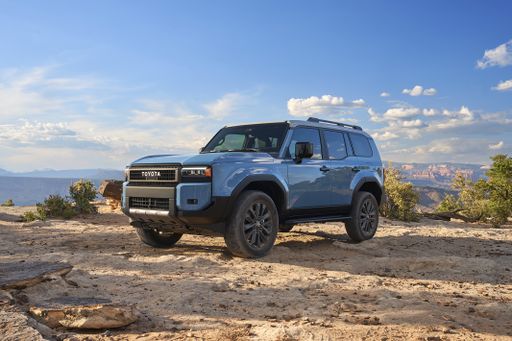
Land Cruiser @ Toyota Motor Corporation

The Toyota Land Cruiser and Land Rover Defender are two of the most iconic off-road vehicles on the market today. Both models have earned their reputations for durability, capability, and adventure, making them favorites among wilderness enthusiasts and urban dwellers alike. In this comparison, we will dive into the technical aspects and innovations that set these two off-road titans apart.

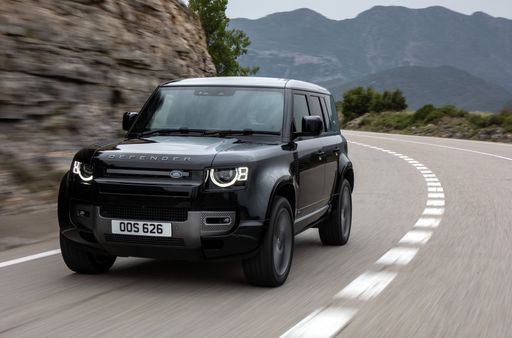
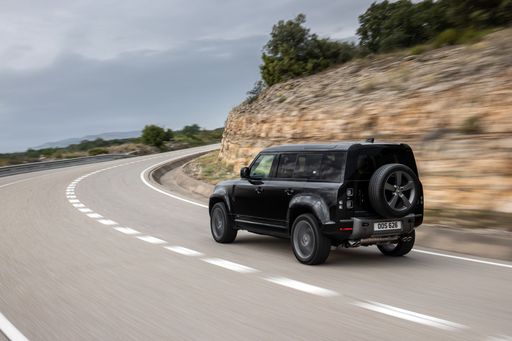
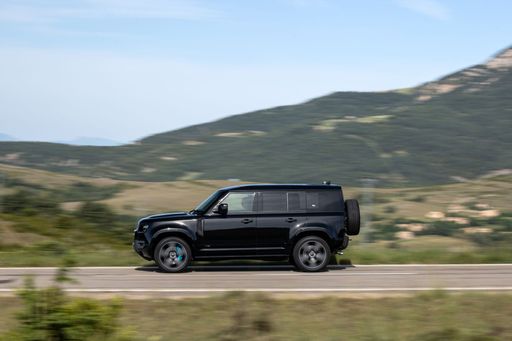
Defender @ Jaguar Land Rover Media

Performance and Powertrains

The 2024 Toyota Land Cruiser is powered by a robust 2.8-liter diesel engine that produces 205 horsepower and 500 Nm of torque. This efficient powertrain is paired with an automatic transmission, allowing for smooth shifts and impressive all-wheel drive capabilities. Its fuel consumption sits at 10.3 L/100km, and it achieves a maximum speed of 170 km/h. The Land Cruiser also boasts a reasonable curb weight of 2410 kg, contributing to its balance of strength and agility.

On the other hand, the Land Rover Defender offers a diverse range of engine options, including diesel MHEV and petrol variants. The Defender’s engines range from 200 HP to a staggering 525 HP, showcasing a breadth of choices for consumers with different performance preferences. The Defender can accelerate from 0 to 100 km/h in as little as 5.2 seconds, thanks to its powerful 5.0-liter V8 option. Fuel consumption varies depending on the engine selected, with options as efficient as 8.3 L/100km.

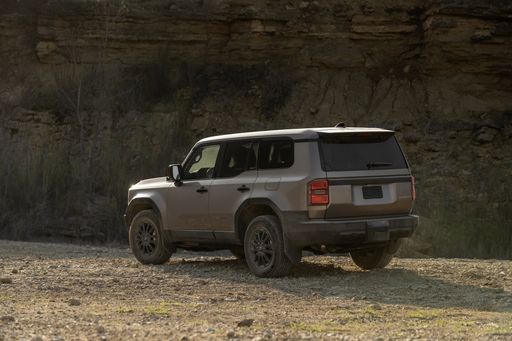
Land Cruiser @ Toyota Motor Corporation

Technology and Innovations

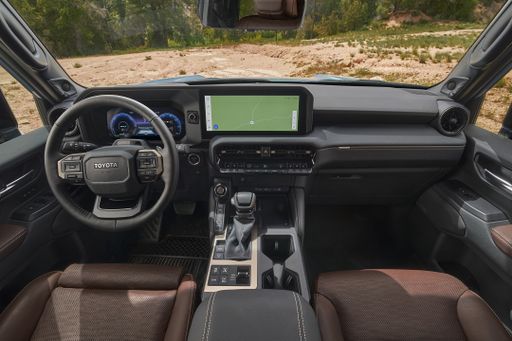
Both vehicles are equipped with cutting-edge technology, but they take different approaches. The Toyota Land Cruiser focuses on reliability and traditional off-road prowess. Features like the Multi-Terrain Select system and Crawl Control help drivers navigate challenging terrain with ease. Its interior is spacious, offering comfortable seating for up to five passengers and plenty of room for luggage—742 liters of trunk capacity enhances its practicality.

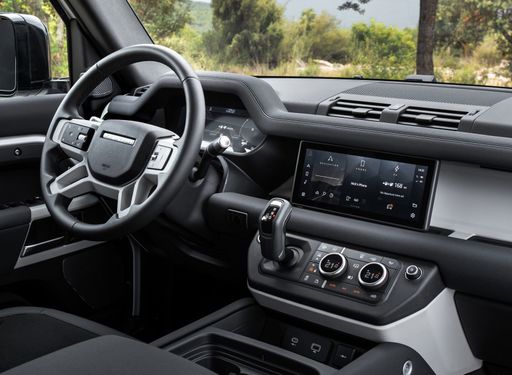
In contrast, the Land Rover Defender embraces modernity with its innovative technologies and features. Its infotainment system is centered around the Pivi Pro interface, a user-friendly system that integrates seamlessly with smartphones and includes advanced navigation and off-road navigation aids. The Defender’s commitment to sustainability is evident with its Plug-in Hybrid option that provides an electric range of up to 45 km. Not to mention the luxurious finishes available, which elevate the driving experience beyond mere utility.

Defender @ Jaguar Land Rover Media

Dimensions and Comfort

When comparing dimensions, the Land Cruiser measures 4925 mm in length and stands 1935 mm tall, offering a commanding presence on and off the road. The spacious interior accommodates five passengers comfortably. Its width is 1980 mm, providing a sturdy stance that translates well into its off-road capability.

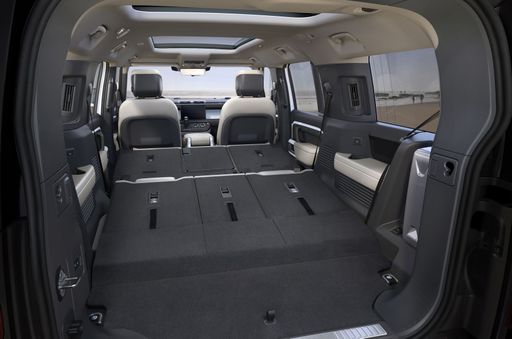
Meanwhile, the Land Rover Defender comes in various sizes, with the longest variant measuring 5358 mm. This flexibility, which includes configurations for five, eight, or even two passengers, gives buyers the option to choose a model that best suits their lifestyle. The Defender’s height ranges between 1967 mm and 1974 mm, and its width comes in at 2008 mm, emphasizing space and comfort in a rugged package.

Land Cruiser @ Toyota Motor Corporation

Final Thoughts

In the ultimate showdown between the Toyota Land Cruiser and Land Rover Defender, it ultimately depends on what you value most in an off-road vehicle. The Land Cruiser is a stalwart of reliability and traditional off-road capability, suitable for enthusiasts who appreciate a tried-and-true model. Alternatively, the Defender's blend of cutting-edge technology, versatility, and powerful performance makes it a compelling choice for those looking for modern innovations alongside rugged capability. The decision between these two formidable off-road icons may hinge on personal preference, but both options offer unparalleled adventure-ready capabilities.

Szczegóły techniczne: konkretne różnice między modelami

Defender @ Jaguar Land Rover Media

Koszty i zużycie

Cena zakupu i efektywność to często pierwsze kryteria przy wyborze auta. Tutaj widać, który model lepiej wypada w dłuższej perspektywie – przy tankowaniu, ładowaniu lub zakupie.

Land Rover Defender ma czytelny przewagę cenową – jego cena zaczyna się od 296500 zł, podczas gdy Toyota Land Cruiser kosztuje 362400 zł. Różnica wynosi około 65849 zł.

W spalaniu również widać różnice: Land Rover Defender zużywa 6 L i jest tym samym wyraźny oszczędniejszy niż Toyota Land Cruiser, który spala 10.60 L. To około 4.60 L różnicy na 100 km.

Silnik i osiągi

Moc, moment i przyspieszenie to klasyczne parametry, na których skupiają się entuzjaści – tu widać ciekawe różnice.

Pod względem mocy silnika Land Rover Defender ma decydowany przewagę635 KM zamiast 205 KM. To różnica około 430 KM KM.

W przyspieszeniu 0–100 km/h Land Rover Defender jest znaczący szybszy – 4 s wobec 12.30 s. Różnica wynosi około 8.30 s sekundy.

Pod względem prędkości maksymalnej Land Rover Defender jest zauważalny lepszy – osiąga 250 km/h, podczas gdy Toyota Land Cruiser kończy na 170 km/h. Różnica to około 80 km/h.

Różnica widoczna jest również w momencie obrotowym: Land Rover Defender ciągnie zauważalny mocniej – 750 Nm wobec 500 Nm. Różnica to około 250 Nm.

Przestrzeń i praktyczność

Wnętrze, bagażnik i ładowność mają kluczowe znaczenie w codziennym użytkowaniu. Liczy się komfort i elastyczność.

Miejsca siedzące: Land Rover Defender oferuje nieco więcej miejsc – 8 vs 7.

Pod względem masy własnej Land Rover Defender jest lekko lżejszy – 2300 kg wobec 2610 kg. Różnica to około 310 kg kg.

Pod względem pojemności bagażnika Land Rover Defender oferuje niewielki więcej miejsca – 786 L wobec 742 L. To różnica około 44 L litrów.

W maksymalnej pojemności ładunkowej Land Rover Defender wypada minimalny lepiej – do 2078 L, czyli o około 183 L więcej niż Toyota Land Cruiser.

Pod względem ładowności Land Rover Defender wypada wyraźny lepiej – 819 kg wobec 540 kg. Różnica to około 279 kg kg.

Kto zostaje zwycięzcą?

Podsumowując, Land Rover Defender jest przewyższa w niemal każdym aspekcie i zasługuje na tytuł DriveDuel Champion.
Oferuje lepszy, bardziej zrównoważony pakiet i jest praktyczniejszym towarzyszem na co dzień.

od około 296 500 zł
Defender @ Jaguar Land Rover Media

Land Rover Defender

  • Typ silnika : Benzyna, Mild Hybrid Diesel, Hybryda Plug-in, Mild Hybrid Benzyna
  • Skrzynia biegów : Automatyczna
  • Rodzaj napędu : Napęd na cztery koła
  • Moc KM : 200 - 635 KM
  • Zużycie L/100km : 6 - 14.4 L
  • Zasięg elektryczny : 48 km

Toyota Land Cruiser

Land Cruiser to legendarny twardziel, który żuje bezdroża i wciąż budzi respekt także na miejskich ulicach. Jeśli szukasz auta, które zniesie więcej niż większość kierowców i nie zawiedzie na długich wyprawach, a przy tym potrafi być całkiem wygodny na co dzień, to warto mieć go na krótkiej liście kandydatów.

szczegóły

Land Rover Defender

Land Rover Defender to twardy zawodnik zrodzony do przygód — wygląda surowo i daje jasno do zrozumienia, że błoto mu niestraszne, a stylowi pasażerowie będą zachwyceni. Dla kupującego to auto, które łączy terenową pewność siebie z codzienną wygodą, idealne gdy chcesz posmakować wolności bez rezygnacji z komfortu.

szczegóły
Toyota Land Cruiser
Land Rover Defender
Land Cruiser @ Toyota Motor Corporation
Defender @ Jaguar Land Rover Media

Koszty i Zużycie

Cena
362400 - 406300 zł
Cena
296500 - 881600 zł
Zużycie L/100km
10.6 - 10.8 L
Zużycie L/100km
6 - 14.4 L
Zużycie kWh/100km
-
Zużycie kWh/100km
-
Zasięg elektryczny
-
Zasięg elektryczny
48 km
Pojemność baterii
-
Pojemność baterii
15.40 kWh
CO2
278 - 284 g/km
CO2
135 - 324 g/km
Pojemność zbiornika paliwa
80 L
Pojemność zbiornika paliwa
89 - 91 L

Wymiary i Nadwozie

Typ nadwozia
Terenowy
Typ nadwozia
Terenowy
Miejsca siedzące
5 - 7
Miejsca siedzące
2 - 8
Drzwi
5
Drzwi
3 - 5
Masa własna
2610 kg
Masa własna
2300 - 2745 kg
Pojemność bagażnika
143 - 742 L
Pojemność bagażnika
293 - 786 L
Długość
4925 mm
Długość
4323 - 5358 mm
Szerokość
1980 mm
Szerokość
2008 mm
Wysokość
1935 mm
Wysokość
1967 - 1995 mm
Maksymalna pojemność bagażnika
1829 - 1895 L
Maksymalna pojemność bagażnika
1263 - 2078 L
Ładowność
540 kg
Ładowność
494 - 819 kg

Silnik i Wydajność

Typ silnika
Diesel
Typ silnika
Benzyna, Mild Hybrid Diesel, Hybryda Plug-in, Mild Hybrid Benzyna
Skrzynia biegów
Automatyczna
Skrzynia biegów
Automatyczna
Szczegóły skrzyni biegów
Automatyczna skrzynia biegów
Szczegóły skrzyni biegów
Automatyczna skrzynia biegów
Rodzaj napędu
Napęd na cztery koła
Rodzaj napędu
Napęd na cztery koła
Moc KM
205 KM
Moc KM
200 - 635 KM
Przyspieszenie 0-100km/h
12.30 s
Przyspieszenie 0-100km/h
4 - 10.2 s
Maksymalna prędkość
170 km/h
Maksymalna prędkość
175 - 250 km/h
Moment obrotowy
500 Nm
Moment obrotowy
500 - 750 Nm
Liczba cylindrów
4
Liczba cylindrów
4 - 8
Moc kW
151 kW
Moc kW
147 - 467 kW
Pojemność silnika
2755 cm3
Pojemność silnika
1997 - 5000 cm3

Ogólne

Rok modelowy
2025
Rok modelowy
2025
Klasa efektywności CO2
G
Klasa efektywności CO2
G, D
Marka
Toyota
Marka
Land Rover
Jakie wersje napędu oferuje Toyota Land Cruiser?

Model oferowany jest z napędem Napęd na cztery koła.

Wyświetlane ceny i dane są szacunkowe, oparte na niemieckich cenach katalogowych i mogą się różnić w zależności od kraju. Te informacje nie stanowią wiążącej oferty.