@ Dacia / Renault Group Media
@ Hyundai Motor Company
VS

Dacia Sandero vs Hyundai i20 – Który samochód bardziej do Ciebie pasuje?

Oba modele mają swoje mocne strony – ale który lepiej pasuje do Ciebie?
Porównaj bezpośrednio osiągi, zużycie, cenę i przestrzeń: Dacia Sandero czy Hyundai i20?

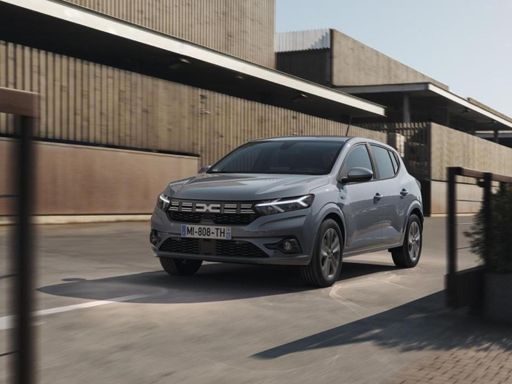
Sandero @ Dacia / Renault Group Media

In the ever-competitive compact hatchback segment, the Dacia Sandero and Hyundai i20 are two prominent players that offer an enticing balance of practicality, performance, and affordability. This article delves into a comprehensive comparison of these two models, focusing on their technical specifications, innovations, and overall value propositions for potential buyers.

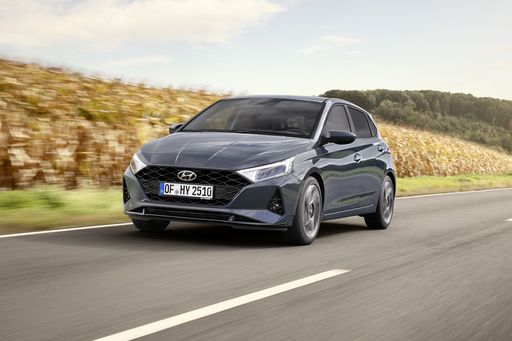
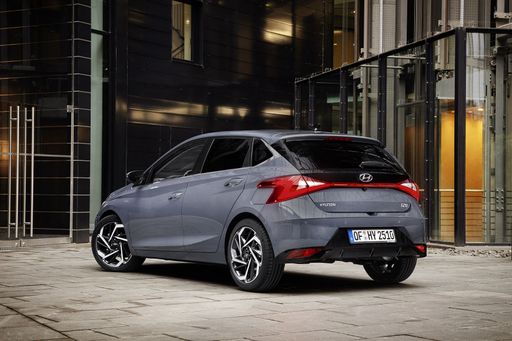
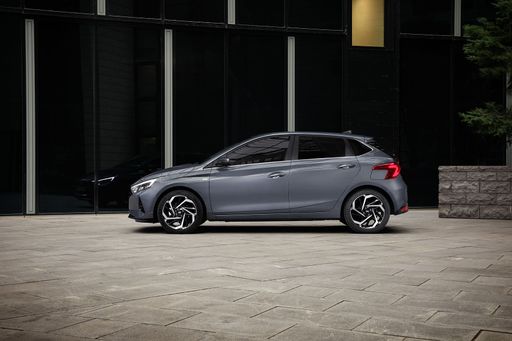
i20 @ Hyundai Motor Company

Design and Dimensions

The Dacia Sandero, with its bold styling and spacious interior, measures 4088 mm in length, 1848 mm in width, and 1499 mm in height, making it a compact yet roomy hatchback. In contrast, the Hyundai i20 is slightly smaller, measuring 4075 mm in length and 1775 mm in width, with a height of 1455 mm. This difference in dimensions gives the Sandero a more substantial road presence, while the i20's dimensions lend it a nimble handling characteristic.

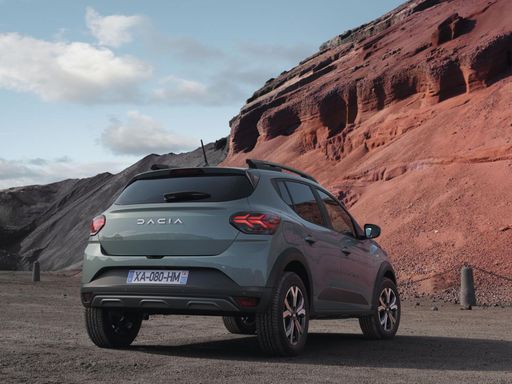
Sandero @ Dacia / Renault Group Media

Powertrain Options

Under the hood, both vehicles offer a range of engine options catering to different driving preferences. The Dacia Sandero is available with petrol and LPG engines, producing up to 110 hp. Its power delivery is accompanied by torque figures ranging from 95 to 200 Nm, depending on the configuration. It also provides options for manual and CVT automatic transmissions, allowing for a tailored driving experience.

The Hyundai i20, meanwhile, comes equipped with either a petrol engine or an advanced petrol MHEV (mild hybrid electric vehicle) system, delivering up to 100 hp. The engine choices are coupled with a manual gearbox or a dual-clutch automatic transmission, offering a blend of efficiency and responsiveness. Torque figures range from 113 Nm for the base engine to 200 Nm for the top variant, ensuring capable acceleration across the board.

i20 @ Hyundai Motor Company

Performance and Efficiency

When it comes to performance, the Sandero boasts a commendable 0-100 km/h acceleration time as low as 10 seconds. This impressive figure is complemented by a top speed of up to 183 km/h. Similarly, the i20 offers competitive performance with acceleration times ranging from 11.1 to 12.1 seconds. The max speeds for the i20 reach up to 183 km/h as well, indicating that both cars deliver a thrilling drive.

In terms of fuel efficiency, both models demonstrate commendable figures. The Sandero sees consumption figures ranging from 5.2 to 6.5 L/100 km, while the i20's MHEV variant can achieve as low as 5.1 L/100 km. This makes both cars practical for daily commuting and long-distance travel, with the added benefit of lower running costs.

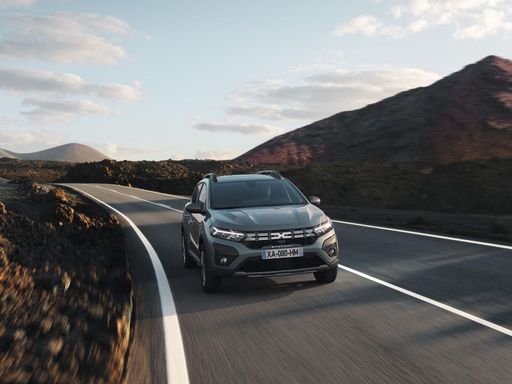
Sandero @ Dacia / Renault Group Media

Interior and Technology

Inside, the Dacia Sandero prioritizes space and comfort, featuring a trunk capacity of 328 liters which can easily accommodate the demands of families or daily errands. The cabin is equipped with essential tech, including smartphone connectivity options, but it is known for a more utilitarian approach rather than luxurious embellishments.

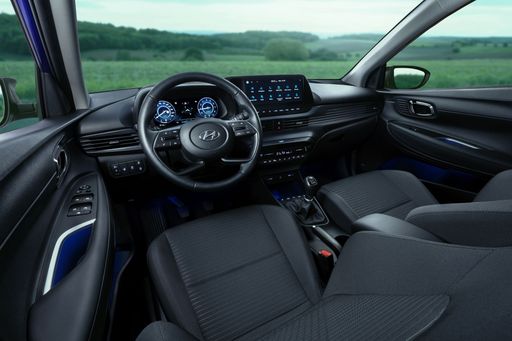
On the other hand, the Hyundai i20 shines in its interior layout, offering a more modern design with quality materials and user-friendly technology. With a notably larger trunk capacity of 352 liters, it also provides ample storage. The i20 features advanced tech packages, including a digital instrument cluster and a high-quality infotainment system, enhancing the driving experience and providing a more upscale feel.

i20 @ Hyundai Motor Company

Safety Ratings and Features

Both vehicles come equipped with essential safety features. The Dacia Sandero has earned a respectable safety rating and includes features such as electronic stability control and multiple airbags. The Hyundai i20 has advantages thanks to its inclusion of cutting-edge safety technology, such as advanced driver-assistance systems, to enhance safety on the road.

Conclusion

Choosing between the Dacia Sandero and the Hyundai i20 boils down to personal preferences and requirements. The Sandero offers a more rugged, practical option with superior power potential in certain variants, while the i20 excels with its modern technology features and refined interior design. Each model stands out in its unique way, making them worthy contenders in the hatchback segment.

Szczegóły techniczne: konkretne różnice między modelami

Koszty i zużycie

Cena i efektywność to kluczowe czynniki przy zakupie auta – właśnie tu często widać największe kontrasty.

Dacia Sandero ma decydowany przewagę cenową – jego cena zaczyna się od 54900 zł, podczas gdy Hyundai i20 kosztuje 89200 zł. Różnica wynosi około 34309 zł.

W spalaniu również widać różnice: Hyundai i20 zużywa 5.20 L i jest tym samym minimalny oszczędniejszy niż Dacia Sandero, który spala 5.30 L. To około 0.10 L różnicy na 100 km.

Silnik i osiągi

Pod maską widać, który model jest bardziej sportowy i kto ma lepszy start.

Pod względem mocy silnika Dacia Sandero ma minimalny przewagę110 KM zamiast 100 KM. To różnica około 10 KM KM.

W przyspieszeniu 0–100 km/h Dacia Sandero jest w niewielkim stopniu szybszy – 10 s wobec 11.10 s. Różnica wynosi około 1.10 s sekundy.

Prędkość maksymalna jest identyczna – oba auta osiągają 183 km/h.

Moment obrotowy jest taki sam w obu modelach – 200 Nm.

Przestrzeń i praktyczność

Wnętrze, bagażnik i ładowność mają kluczowe znaczenie w codziennym użytkowaniu. Liczy się komfort i elastyczność.

Oba samochody oferują miejsce dla 5 osób.

Pod względem masy własnej Hyundai i20 jest minimalny lżejszy – 1088 kg wobec 1089 kg. Różnica to około 1 kg kg.

Pod względem pojemności bagażnika Hyundai i20 oferuje minimalny więcej miejsca – 352 L wobec 328 L. To różnica około 24 L litrów.

W maksymalnej pojemności ładunkowej Hyundai i20 wypada niewielki lepiej – do 1165 L, czyli o około 57 L więcej niż Dacia Sandero.

Pod względem ładowności Hyundai i20 wypada minimalny lepiej – 472 kg wobec 436 kg. Różnica to około 36 kg kg.

Kto zostaje zwycięzcą?

Podsumowując, Dacia Sandero jest wygrywa pojedynek wyraźnie i zasługuje na tytuł DriveDuel Champion.
Oferuje lepszy, bardziej zrównoważony pakiet i jest praktyczniejszym towarzyszem na co dzień.

od około 54 900 zł
Sandero @ Dacia / Renault Group Media

Dacia Sandero

  • Typ silnika : Benzyna, LPG
  • Skrzynia biegów : Manuel, Automatyczna
  • Rodzaj napędu : Napęd na przednie koła
  • Moc KM : 67 - 110 KM
  • Zużycie L/100km : 5.3 - 7.1 L

Dacia Sandero

Dacia Sandero to samochód, który udowadnia, że nie trzeba przepłacać, żeby mieć praktyczne, przestronne i bezpretensjonalne auto do codziennego użytku. Nie rzuca się w oczy, ale zapewnia spokój ducha i komfort — idealny wybór dla tych, którzy wolą rozsądek od popisów.

szczegóły

Hyundai i20

4 (1)
oceń

Hyundai i20 to sprytny, zgrabny hatchback, który łączy miejską praktyczność z odrobiną stylu i europejskim sznytem — prowadzi się pewnie i nie udaje samochodu, którym nie jest. Jeśli szukasz rozsądnego, wygodnego auta na co dzień, które nie zrujnuje portfela i chętnie pokaże, że codzienna jazda może być przyjemna, i20 jest mocnym kandydatem.

szczegóły
Dacia Sandero
Hyundai i20
Sandero @ Dacia / Renault Group Media
i20 @ Hyundai Motor Company

Koszty i Zużycie

Cena
54900 - 85600 zł
Cena
89200 - 123000 zł
Zużycie L/100km
5.3 - 7.1 L
Zużycie L/100km
5.2 - 5.3 L
Zużycie kWh/100km
-
Zużycie kWh/100km
-
Zasięg elektryczny
-
Zasięg elektryczny
-
Pojemność baterii
-
Pojemność baterii
-
CO2
105 - 140 g/km
CO2
119 - 121 g/km
Pojemność zbiornika paliwa
32 - 50 L
Pojemność zbiornika paliwa
40 L

Wymiary i Nadwozie

Typ nadwozia
Hatchback
Typ nadwozia
Hatchback
Miejsca siedzące
5
Miejsca siedzące
5
Drzwi
5
Drzwi
5
Masa własna
1089 - 1209 kg
Masa własna
1088 - 1190 kg
Pojemność bagażnika
328 L
Pojemność bagażnika
352 L
Długość
4088 - 4099 mm
Długość
4065 - 4075 mm
Szerokość
1848 mm
Szerokość
1775 mm
Wysokość
1499 - 1535 mm
Wysokość
1450 - 1455 mm
Maksymalna pojemność bagażnika
1108 L
Maksymalna pojemność bagażnika
1165 L
Ładowność
404 - 436 kg
Ładowność
450 - 472 kg

Silnik i Wydajność

Typ silnika
Benzyna, LPG
Typ silnika
Benzyna
Skrzynia biegów
Manuel, Automatyczna
Skrzynia biegów
Automatyczna, Manuel
Szczegóły skrzyni biegów
Manualna skrzynia biegów, Skrzynia CVT
Szczegóły skrzyni biegów
Automatyczna dwusprzęgłowa, Manualna skrzynia biegów
Rodzaj napędu
Napęd na przednie koła
Rodzaj napędu
Napęd na przednie koła
Moc KM
67 - 110 KM
Moc KM
79 - 100 KM
Przyspieszenie 0-100km/h
10 - 16.7 s
Przyspieszenie 0-100km/h
11.1 - 13.7 s
Maksymalna prędkość
158 - 183 km/h
Maksymalna prędkość
166 - 183 km/h
Moment obrotowy
95 - 200 Nm
Moment obrotowy
113 - 200 Nm
Liczba cylindrów
3
Liczba cylindrów
3 - 4
Moc kW
49 - 81 kW
Moc kW
58 - 74 kW
Pojemność silnika
999 cm3
Pojemność silnika
998 - 1197 cm3

Ogólne

Rok modelowy
2024 - 2025
Rok modelowy
2024
Klasa efektywności CO2
D, C, E
Klasa efektywności CO2
D
Marka
Dacia
Marka
Hyundai
Jakie rodzaje napędu ma Dacia Sandero?

Dacia Sandero jest dostępny z napędem Napęd na przednie koła.

Wyświetlane ceny i dane są szacunkowe, oparte na niemieckich cenach katalogowych i mogą się różnić w zależności od kraju. Te informacje nie stanowią wiążącej oferty.