
 Deutschland
 France
 Nederland
 Great Britain
 Sverige
 Danmark
 Suomi
Suomi Italia
 Polska
 Česko
Česko España
VS
Fiat Ducato vs Peugeot Boxer porównanie
Porównaj moc (140 KM vs 279 KM), bagażnik i cenę (210 900 zł vs 182 200 zł ) w jednym miejscu. Sprawdź, który samochód jest lepszym wyborem – Fiat Ducato czy Peugeot Boxer.
Fiat Ducato vs Peugeot Boxer: najważniejsze różnice
Ducato
Koszty i zużycie
W kwestii ekonomii oba modele pokazują ciekawe różnice.
Peugeot Boxer jest lekko tańszy – jego cena zaczyna się od 182 200 zł , podczas gdy Fiat Ducato kosztuje 210 900 zł . Różnica wynosi około 28 751 zł.
Średnie spalanie jest identyczne – wynosi 7,5 L/100km.
Boxer
Silnik i osiągi
Moc, moment i przyspieszenie to klasyczne parametry, na których skupiają się entuzjaści – tu widać ciekawe różnice.
Pod względem mocy silnika Peugeot Boxer ma znacznie więcej mocy – 279 KM zamiast 140 KM. To różnica około 139 KM.
Różnica widoczna jest również w momencie obrotowym: Peugeot Boxer ciągnie widocznie mocniej – 450 Nm wobec 350 Nm. Różnica to około 100 Nm.
Ducato
Przestrzeń i praktyczność
Samochód rodzinny czy codzienny towarzysz – który oferuje więcej miejsca, komfortu i elastyczności?
Miejsca siedzące: Peugeot Boxer oferuje więcej miejsc siedzących – 7 wobec 3.
Pod względem masy własnej Peugeot Boxer jest minimalnie lżejszy – 2 075 kg wobec 2 165 kg. Różnica to około 90 kg.
Pod względem ładowności Peugeot Boxer wypada niewiele lepiej – 2 080 kg wobec 2 020 kg. Różnica to około 60 kg.
Kto wygrywa wyścig w analizie danych?
Peugeot Boxer jest zdecydowanie lepszy w obiektywnym porównaniu danych.
Ta ocena pokazuje jedynie, który model zdobywa więcej punktów na papierze – nie który z dwóch samochodów jest dla Ciebie właściwy.
od 182 200 zł
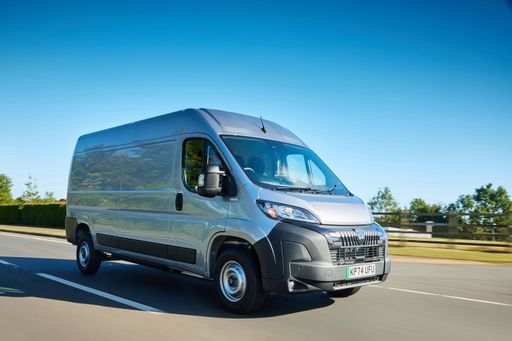
Peugeot Boxer
Fiat Ducato
Peugeot Boxer
Koszty i Zużycie
Zobacz analizę szczegółową
Zobacz analizę szczegółową
Silnik i osiągi
Zobacz analizę szczegółową
Zobacz analizę szczegółową
Wymiary i Nadwozie
Zobacz analizę szczegółową
Zobacz analizę szczegółową
Fiat Ducato
Fiat Ducato to pracowity van, który potrafi połknąć niemal wszystko, co trzeba przetransportować — od mebli po firmowe marzenia, a wnętrze stawia na praktykę zamiast na zbędne ozdoby. Jazda nim nie oszałamia sportowymi odczuciami, za to daje pewność, komfort i niskie koszty eksploatacji, więc dla przedsiębiorcy to jak wierny koń roboczy z odrobiną włoskiego temperamentu.
szczegóły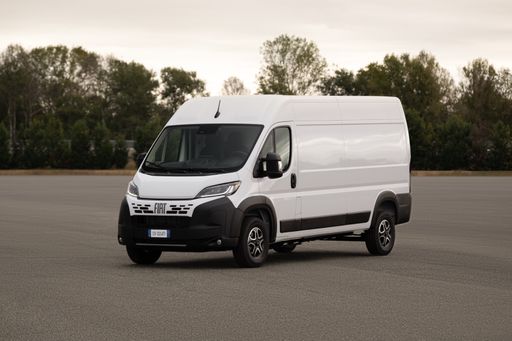
Peugeot Boxer
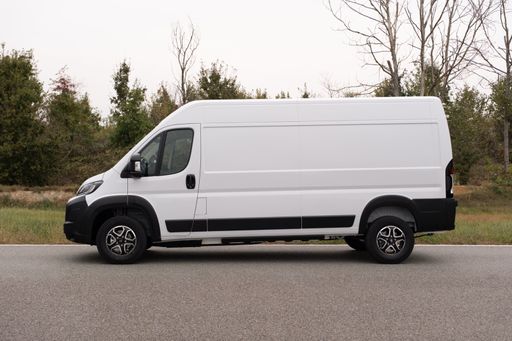
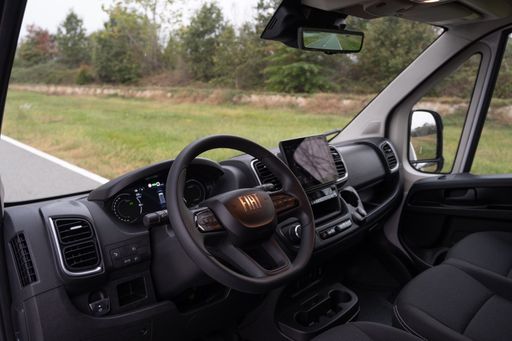
Peugeot Boxer to praktyczny i solidny dostawczak, który bez zbędnych udziwnień robi to, po co został stworzony — przewozi ładunki, ułatwia pracę i nie marudzi. W środku jest prosto i funkcjonalnie, prowadzi się pewnie, a rozsądne podejście do eksploatacji czyni go rozsądnym wyborem dla przedsiębiorcy z humorem.
szczegóły
Fiat Ducato
Peugeot Boxer
Koszty i Zużycie |
|
|---|---|
|
Cena
210 900 - 225 000 zł
|
Cena
182 200 - 296 400 zł
|
|
Zużycie L/100km
7,5 - 8,2 L/100km
|
Zużycie L/100km
7,5 - 9 L/100km
|
|
Zużycie kWh/100km
-
|
Zużycie kWh/100km
26,2 kWh/100km
|
|
Zasięg elektryczny
-
|
Zasięg elektryczny
424 km
|
|
Pojemność baterii
-
|
Pojemność baterii
-
|
|
CO2
198 - 217 g/km
|
CO2
0 - 233 g/km
|
|
Pojemność zbiornika paliwa
-
|
Pojemność zbiornika paliwa
-
|
Wymiary i Nadwozie |
|
|---|---|
|
Typ nadwozia
Van
|
Typ nadwozia
Van
|
|
Miejsca siedzące
3
|
Miejsca siedzące
3 - 7
|
|
Drzwi
-
|
Drzwi
-
|
|
Masa własna
2 165 - 2 230 kg
|
Masa własna
2 075 - 2 940 kg
|
|
Pojemność bagażnika
-
|
Pojemność bagażnika
-
|
|
Długość
-
|
Długość
-
|
|
Szerokość
2 050 mm
|
Szerokość
2 050 mm
|
|
Wysokość
-
|
Wysokość
-
|
|
Maksymalna pojemność bagażnika
-
|
Maksymalna pojemność bagażnika
-
|
|
Ładowność
1 315 - 2 020 kg
|
Ładowność
560 - 2 080 kg
|
Silnik i osiągi |
|
|---|---|
|
Typ silnika
Diesel
|
Typ silnika
Diesel, Elektryczny
|
|
Skrzynia biegów
Manuel, Automatyczna
|
Skrzynia biegów
Manuel, Automatyczna
|
|
Szczegóły skrzyni biegów
Manualna skrzynia biegów, Automatyczna skrzynia biegów
|
Szczegóły skrzyni biegów
Manualna skrzynia biegów, Automatyczna skrzynia biegów, Reduktor
|
|
Rodzaj napędu
Napęd na przednie koła
|
Rodzaj napędu
Napęd na przednie koła
|
|
Moc KM
140 KM
|
Moc KM
120 - 279 KM
|
|
Przyspieszenie 0-100 km/h
-
|
Przyspieszenie 0-100 km/h
-
|
|
Maksymalna prędkość
-
|
Maksymalna prędkość
-
|
|
Moment obrotowy
350 Nm
|
Moment obrotowy
320 - 450 Nm
|
|
Liczba cylindrów
4
|
Liczba cylindrów
4
|
|
Moc kW
103 kW
|
Moc kW
88 - 205 kW
|
|
Pojemność silnika
2 184 cm3
|
Pojemność silnika
2 184 cm3
|
Ogólne |
|
|---|---|
|
Rok modelowy
2025
|
Rok modelowy
2 024 - 2 025
|
|
Klasa efektywności CO2
G
|
Klasa efektywności CO2
G, A
|
|
Marka
Fiat
|
Marka
Peugeot
|
DriveDuel wykorzystuje analizę danych i sztuczną inteligencję do analizy danych pojazdów oraz tworzenia treści. Treści są regularnie sprawdzane i ulepszane.
Wyświetlane ceny są wartościami orientacyjnymi opartymi na niemieckich cenach katalogowych, dostosowanych do stawek VAT obowiązujących w danym kraju. Podatki rejestracyjne obowiązujące w poszczególnych krajach nie są uwzględnione. Informacje te nie są prawnie wiążące.