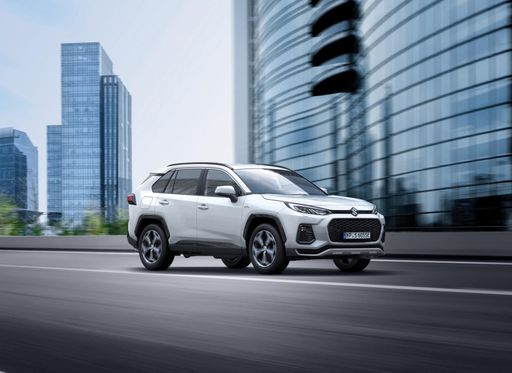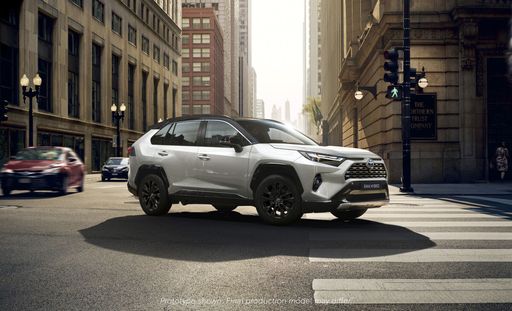
@ Suzuki Motor Corporation
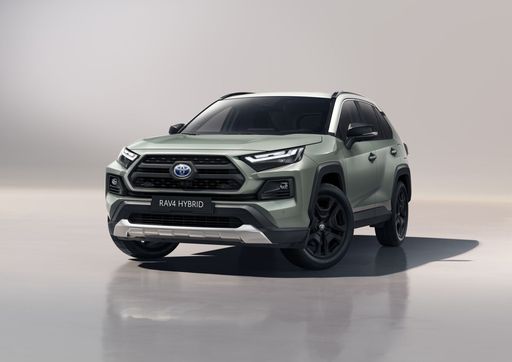
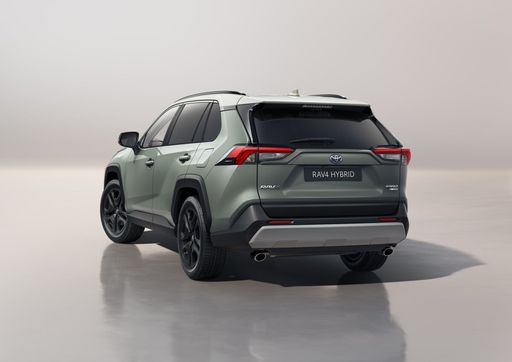
@ Toyota Motor Corporation
VS

Suzuki Across vs Toyota RAV4 – Który samochód bardziej do Ciebie pasuje?

Oba modele mają swoje mocne strony – ale który lepiej pasuje do Ciebie?
Porównaj bezpośrednio osiągi, zużycie, cenę i przestrzeń: Suzuki Across czy Toyota RAV4?

Across @ Suzuki Motor Corporation

In the ever-evolving landscape of SUVs, two vehicles stand out for their innovation and versatility: the Suzuki Across and the Toyota RAV4. Both models share a common lineage, but they cater to different preferences and driving experiences. This article will delve into the technical aspects and innovations of these two popular SUVs, giving you a comprehensive comparison.

RAV4 @ Toyota Motor Corporation

Powertrain and Performance

The Suzuki Across impresses with its Plug-In Hybrid engine, delivering a remarkable 306 horsepower and 225 kW of power. It is equipped with a Continuously Variable Transmission (CVT) that offers seamless acceleration. The Across can achieve 0-100 km/h in just 6 seconds, demonstrating its sporty credentials while maintaining a top speed of 180 km/h.

On the other hand, the Toyota RAV4 provides a variety of powertrains, including both Full Hybrid and Plug-In Hybrid options. The performance levels range from 218 HP to the same 306 HP as the Across, depending on the chosen variant. The RAV4’s acceleration times vary; the quickest models can reach 0-100 km/h in as fast as 6 seconds, with all variants capped at the same top speed of 180 km/h. This versatility allows buyers to select an option that best fits their driving style.

Across @ Suzuki Motor Corporation

Fuel Efficiency and CO2 Emissions

The Suzuki Across shines in the fuel efficiency category with a consumption rating of just 1 L/100 km in electric mode, combined with a CO2 emission of 22 g/km, putting it in an excellent CO2 efficiency class of B. This makes it an eco-friendlier option that doesn’t compromise on power.

The Toyota RAV4’s efficiency also impresses, particularly in its hybrid variants; it has a fuel consumption of approximately 5.6 L/100 km for its non-plug-in models, while it matches the Across with a Plug-In Hybrid alternative that offers similar electric range and CO2 emissions as the Across. However, certain variants of the RAV4 are classified under a less favourable CO2 efficiency class, which may influence environmentally-conscious buyers.

RAV4 @ Toyota Motor Corporation

Design and Dimensions

In terms of dimensions, the Suzuki Across measures 4635 mm in length, 1855 mm in width, and 1690 mm in height. It offers a trunk capacity of 490 liters, making it a practical choice for families and outdoor enthusiasts alike. The vehicle’s curb weight of 2075 kg provides stability without hampering performance.

The Toyota RAV4, slightly smaller at 4600 mm in length, shares the same width but is a tad lower at 1685 mm in height. The trunk space is a generous 580 liters in certain variants, offering more room for cargo, which may appeal to practical drivers. The curb weights vary depending on the variant, ranging from 1745 kg to 1910 kg, which offers a range of options depending on the required specifications.

Interior and Technology

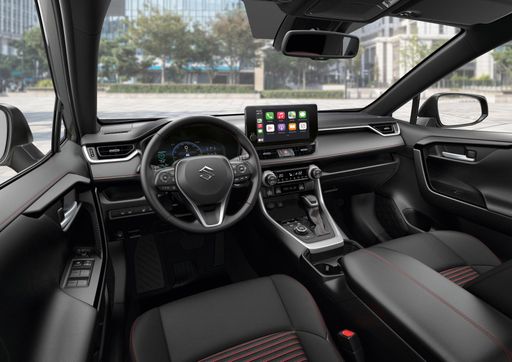
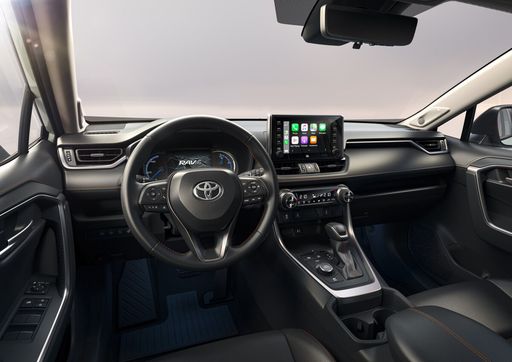
Inside, both SUVs boast modern aesthetic designs and user-friendly technology. The Suzuki Across is equipped with an intuitive infotainment system that facilitates seamless smartphone integration. With comfortable seating for five and thoughtful ergonomics, it is designed for both comfort and adventure.

The Toyota RAV4 follows suit with a tech-savvy interior loaded with features such as advanced safety systems and connectivity options. Passengers can enjoy a stylish cabin that emphasizes comfort without sacrificing functionality.

Driving Experience and Innovations

When it comes to driving dynamics, the Suzuki Across offers an all-wheel drive (AWD) system that enhances traction and stability in various driving conditions. This feature makes it a great option for those who plan on venturing off the beaten path.

The RAV4’s driving experience is similarly enhanced with optional front-wheel or all-wheel drive, giving drivers the flexibility to choose based on their needs. Known for its reliability and balance, the RAV4 also comes with Toyota's latest safety technologies, ensuring peace of mind while on the road.

Conclusion: Which SUV Reigns Supreme?

Both the Suzuki Across and Toyota RAV4 are impressive contenders in the SUV market, showcasing superior performance, innovative technology, and practical features. The ultimate choice between the two will often depend on your specific needs: if sharp, spirited performance combined with low emissions is a priority, the Across may hold the edge. Conversely, if versatility and a broader range of options are crucial, the RAV4 is hard to overlook.

Ultimately, prospective buyers should consider their lifestyle, preferences, and driving needs before making a decision. Regardless of the choice, both SUVs promise reliability and an engaging driving experience.

Szczegóły techniczne: konkretne różnice między modelami

Koszty i zużycie

Porównanie ceny i zużycia paliwa często pokazuje największe różnice. Tu decyduje się, który model lepiej pasuje do budżetu.

Toyota RAV4 ma znaczący przewagę cenową – jego cena zaczyna się od 180100 zł, podczas gdy Suzuki Across kosztuje 255600 zł. Różnica wynosi około 75557 zł.

Średnie spalanie jest identyczne – wynosi 1 L na 100 km.

Zasięg jest praktycznie identyczny – oba auta przejeżdżają około 75 km na jednym ładowaniu.

Silnik i osiągi

Moc, moment i przyspieszenie to klasyczne parametry, na których skupiają się entuzjaści – tu widać ciekawe różnice.

Oba modele oferują taką samą moc – 306 KM KM.

Oba modele przyspieszają niemal tak samo – 6 s od 0 do 100 km/h.

Prędkość maksymalna jest identyczna – oba auta osiągają 180 km/h.

Przestrzeń i praktyczność

Poza mocą liczy się też wygoda i funkcjonalność. Tu decyduje się, który samochód jest bardziej praktyczny i wszechstronny.

Oba samochody oferują miejsce dla 5 osób.

Pod względem masy własnej Toyota RAV4 jest lekko lżejszy – 1745 kg wobec 2075 kg. Różnica to około 330 kg kg.

Pod względem pojemności bagażnika Toyota RAV4 oferuje w niewielkim stopniu więcej miejsca – 580 L wobec 490 L. To różnica około 90 L litrów.

W maksymalnej pojemności ładunkowej Toyota RAV4 wypada prawie niezauważalny lepiej – do 1690 L, czyli o około 86 L więcej niż Suzuki Across.

Pod względem ładowności Toyota RAV4 wypada oczywisty lepiej – 600 kg wobec 435 kg. Różnica to około 165 kg kg.

Kto zostaje zwycięzcą?

Podsumowując, Toyota RAV4 jest przewyższa w niemal każdym aspekcie i zasługuje na tytuł DriveDuel Champion.
Oferuje lepszy, bardziej zrównoważony pakiet i jest praktyczniejszym towarzyszem na co dzień.

od około 180 100 zł
RAV4 @ Toyota Motor Corporation

Toyota RAV4

  • Typ silnika : Pełna Hybryda, Hybryda Plug-in
  • Skrzynia biegów : Automatyczna
  • Rodzaj napędu : Napęd na przednie koła, Napęd na cztery koła
  • Moc KM : 218 - 306 KM
  • Zużycie L/100km : 1 - 5.6 L
  • Zasięg elektryczny : 75 km

Suzuki Across

5 (1)
oceń

Suzuki Across to solidnie zbudowany SUV, który stawia na praktyczność i niezawodność zamiast krzykliwego przepychu. Przestronne wnętrze, pewne prowadzenie i rozsądne koszty eksploatacji sprawiają, że to rozsądny wybór dla rodzin i osób ceniących spokój na drodze — a do tego nie próbuje udawać sportowca.

szczegóły

Toyota RAV4

5 (1)
oceń

RAV4 to praktyczny i bezpretensjonalny SUV, który stawia na wygodę, niezawodność i rozsądne koszty eksploatacji — idealny wybór dla rodziny i osób, które wolą spokój zamiast spektakularnych popisów. Nie ma ambicji do bycia rasowym sportowcem, za to daje pewność na drodze i więcej przestrzeni niż wielu konkurentów, co czyni go świetnym kompanem na co dzień.

szczegóły
Suzuki Across
Toyota RAV4
Across @ Suzuki Motor Corporation
RAV4 @ Toyota Motor Corporation

Koszty i Zużycie

Cena
255600 zł
Cena
180100 - 285500 zł
Zużycie L/100km
1 L
Zużycie L/100km
1 - 5.6 L
Zużycie kWh/100km
-
Zużycie kWh/100km
-
Zasięg elektryczny
75 km
Zasięg elektryczny
75 km
Pojemność baterii
-
Pojemność baterii
-
CO2
22 g/km
CO2
22 - 128 g/km
Pojemność zbiornika paliwa
55 L
Pojemność zbiornika paliwa
55 L

Wymiary i Nadwozie

Typ nadwozia
SUV
Typ nadwozia
SUV
Miejsca siedzące
5
Miejsca siedzące
5
Drzwi
5
Drzwi
5
Masa własna
2075 kg
Masa własna
1745 - 1910 kg
Pojemność bagażnika
490 L
Pojemność bagażnika
520 - 580 L
Długość
4635 mm
Długość
4600 mm
Szerokość
1855 mm
Szerokość
1855 mm
Wysokość
1690 mm
Wysokość
1685 mm
Maksymalna pojemność bagażnika
1604 L
Maksymalna pojemność bagażnika
1604 - 1690 L
Ładowność
435 kg
Ładowność
390 - 600 kg

Silnik i Wydajność

Typ silnika
Hybryda Plug-in
Typ silnika
Pełna Hybryda, Hybryda Plug-in
Skrzynia biegów
Automatyczna
Skrzynia biegów
Automatyczna
Szczegóły skrzyni biegów
Skrzynia CVT
Szczegóły skrzyni biegów
Skrzynia CVT
Rodzaj napędu
Napęd na cztery koła
Rodzaj napędu
Napęd na przednie koła, Napęd na cztery koła
Moc KM
306 KM
Moc KM
218 - 306 KM
Przyspieszenie 0-100km/h
6 s
Przyspieszenie 0-100km/h
6 - 8.4 s
Maksymalna prędkość
180 km/h
Maksymalna prędkość
180 km/h
Moment obrotowy
-
Moment obrotowy
-
Liczba cylindrów
4
Liczba cylindrów
4
Moc kW
225 kW
Moc kW
160 - 225 kW
Pojemność silnika
2487 cm3
Pojemność silnika
2487 cm3

Ogólne

Rok modelowy
2024
Rok modelowy
2024 - 2025
Klasa efektywności CO2
B
Klasa efektywności CO2
D, B
Marka
Suzuki
Marka
Toyota
Jakie wersje napędu oferuje Suzuki Across?

Model oferowany jest z napędem Napęd na cztery koła.

Wyświetlane ceny i dane są szacunkowe, oparte na niemieckich cenach katalogowych i mogą się różnić w zależności od kraju. Te informacje nie stanowią wiążącej oferty.