
 Deutschland
 France
 Nederland
 Great Britain
 Sverige
 Danmark
 Suomi
Suomi Italia
 Polska
 Česko
Česko España
VS
Ford Focus vs Peugeot 208 porównanie
Porównaj moc (280 KM vs 156 KM), bagażnik i cenę (141 000 zł vs 107 500 zł ) w jednym miejscu. Sprawdź, który samochód jest lepszym wyborem – Ford Focus czy Peugeot 208.
Ford Focus vs Peugeot 208: najważniejsze różnice
Wszystkie szczegóły dotyczące osiągów, zużycia paliwa, zasięgu i pojemności bagażnika znajdziesz w porównaniu technicznym poniżej – wraz z opiniami użytkowników o obu modelach.
Focus
Koszty i zużycie
Cena zakupu i efektywność to często pierwsze kryteria przy wyborze auta. Tutaj widać, który model lepiej wypada w dłuższej perspektywie – przy tankowaniu, ładowaniu lub zakupie.
Peugeot 208 jest odczuwalnie tańszy – jego cena zaczyna się od 107 500 zł , podczas gdy Ford Focus kosztuje 141 000 zł . Różnica wynosi około 33 473 zł.
W spalaniu również widać różnice: Peugeot 208 zużywa 4,5 L/100km i jest tym samym prawie niezauważalnie oszczędniejszy niż Ford Focus, który spala 4,9 L/100km. To około 0,4 L/100km różnicy.
208
Silnik i osiągi
Moc, moment obrotowy i przyspieszenie wiele mówią o tym, jak auto prowadzi się na co dzień. Tu widać, kto oferuje więcej dynamiki.
Pod względem mocy silnika Ford Focus ma wyraźnie bardziej więcej mocy – 280 KM zamiast 156 KM. To różnica około 124 KM.
W przyspieszeniu 0–100 km/h Ford Focus jest zdecydowanie szybszy – 5,7 s wobec 8,3 s. Różnica wynosi około 2,6 s sekundy.
Różnica widoczna jest również w momencie obrotowym: Ford Focus ciągnie odczuwalnie mocniej – 420 Nm wobec 270 Nm. Różnica to około 150 Nm.
Focus
Przestrzeń i praktyczność
Samochód rodzinny czy codzienny towarzysz – który oferuje więcej miejsca, komfortu i elastyczności?
Oba samochody oferują miejsce dla 5 osób.
Pod względem masy własnej Peugeot 208 jest lekko lżejszy – 1 165 kg wobec 1 330 kg. Różnica to około 165 kg.
Pod względem pojemności bagażnika Ford Focus oferuje trochę więcej miejsca – 392 L wobec 352 L. To różnica około 40 L litrów.
Pod względem ładowności Ford Focus wypada odczuwalnie lepiej – 560 kg wobec 430 kg. Różnica to około 130 kg.
Kto wygrywa wyścig w analizie danych?
Ford Focus dominuje w porównaniu w obiektywnym porównaniu danych.
Ta ocena pokazuje jedynie, który model zdobywa więcej punktów na papierze – nie który z dwóch samochodów jest dla Ciebie właściwy.
od 141 000 zł
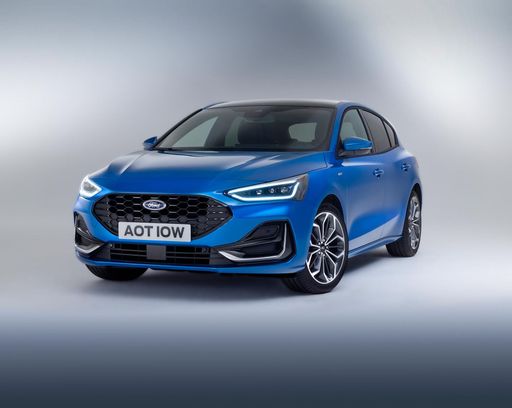
Ford Focus
Ford Focus
Peugeot 208
Koszty i Zużycie
Zobacz analizę szczegółową
Zobacz analizę szczegółową
Silnik i osiągi
Zobacz analizę szczegółową
Zobacz analizę szczegółową
Wymiary i Nadwozie
Zobacz analizę szczegółową
Zobacz analizę szczegółową
Ford Focus
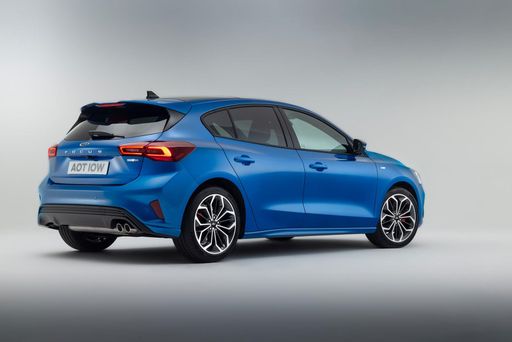
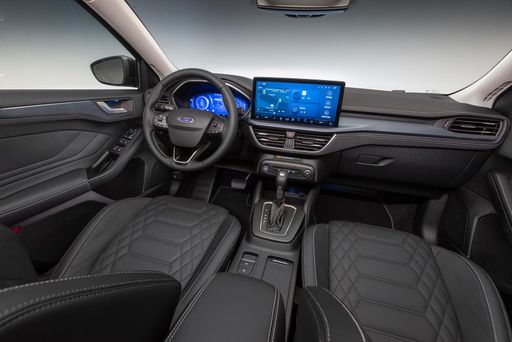
Ford Focus to kompakt, który świetnie łączy przyjemność z jazdy z codzienną praktycznością, idealny dla tych, którzy cenią pewne prowadzenie i rozsądne rozwiązania. Nie krzyczy designem, ale nadrabia solidnym wykonaniem i ekonomią użytkowania — dobry wybór dla kierowcy, który woli konkret zamiast pustej chwały.
szczegóły
Peugeot 208
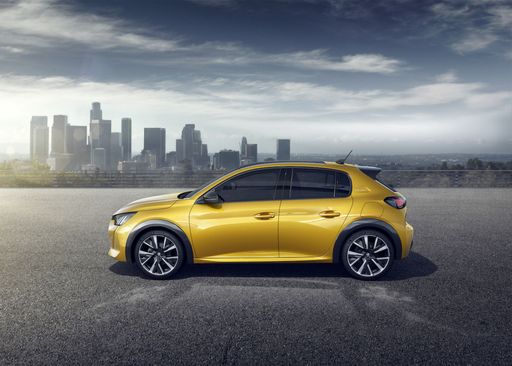
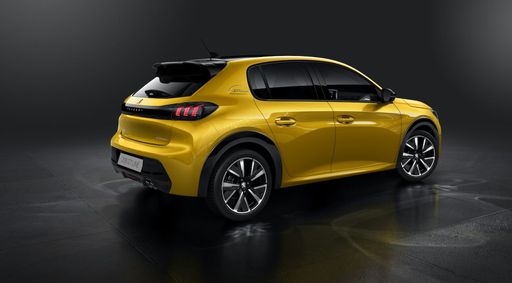
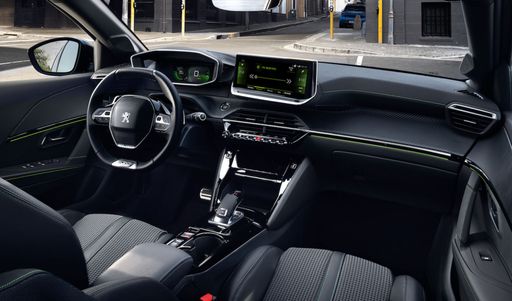
Dwudziestka ósemka to zgrabny, stylowy miejski hatchback, który potrafi wyglądać na droższego, niż sugeruje jego metka. Za kierownicą czuje się zwinna i pewna, a praktyczne wnętrze z kilkoma technologicznymi smaczkami sprawia, że to rozsądny wybór dla tych, którzy chcą auta do miasta z charakterem i bez zbędnego gadania.
szczegóły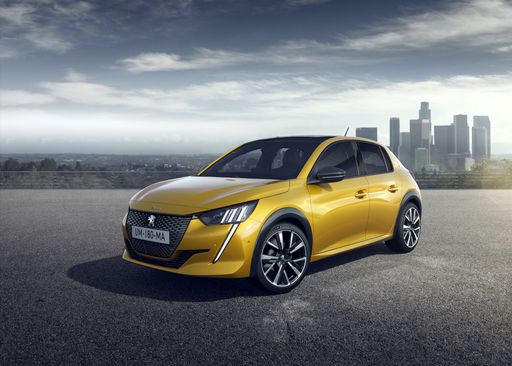
Ford Focus
Peugeot 208
Koszty i Zużycie |
|
|---|---|
|
Cena
141 000 - 219 000 zł
|
Cena
107 500 - 169 900 zł
|
|
Zużycie L/100km
4,9 - 8 L/100km
|
Zużycie L/100km
4,5 - 5,1 L/100km
|
|
Zużycie kWh/100km
-
|
Zużycie kWh/100km
14,1 - 15,4 kWh/100km
|
|
Zasięg elektryczny
-
|
Zasięg elektryczny
363 - 432 km
|
|
Pojemność baterii
-
|
Pojemność baterii
-
|
|
CO2
117 - 183 g/km
|
CO2
0 - 116 g/km
|
|
Pojemność zbiornika paliwa
52 L
|
Pojemność zbiornika paliwa
-
|
Wymiary i Nadwozie |
|
|---|---|
|
Typ nadwozia
Hatchback
|
Typ nadwozia
Hatchback
|
|
Miejsca siedzące
5
|
Miejsca siedzące
5
|
|
Drzwi
5
|
Drzwi
-
|
|
Masa własna
1 330 - 1 529 kg
|
Masa własna
1 165 - 1 530 kg
|
|
Pojemność bagażnika
392 L
|
Pojemność bagażnika
309 - 352 L
|
|
Długość
4 382 - 4 397 mm
|
Długość
-
|
|
Szerokość
1 825 - 1 844 mm
|
Szerokość
1 745 mm
|
|
Wysokość
1 438 - 1 482 mm
|
Wysokość
-
|
|
Maksymalna pojemność bagażnika
1 354 L
|
Maksymalna pojemność bagażnika
-
|
|
Ładowność
495 - 560 kg
|
Ładowność
380 - 430 kg
|
Silnik i osiągi |
|
|---|---|
|
Typ silnika
Benzyna MHEV, Diesel, Benzyna
|
Typ silnika
Benzyna MHEV, Elektryczny, Benzyna
|
|
Skrzynia biegów
Manualna, Automatyczna
|
Skrzynia biegów
Automatyczna, Manualna
|
|
Szczegóły skrzyni biegów
Manualna skrzynia biegów, Automatyczna dwusprzęgłowa, Automatyczna skrzynia biegów
|
Szczegóły skrzyni biegów
Automatyczna dwusprzęgłowa, Reduktor, Manualna skrzynia biegów
|
|
Rodzaj napędu
Napęd na przednie koła
|
Rodzaj napędu
Napęd na przednie koła
|
|
Moc KM
115 - 280 KM
|
Moc KM
101 - 156 KM
|
|
Przyspieszenie 0-100 km/h
5,7 - 11,8 s
|
Przyspieszenie 0-100 km/h
8,3 - 10,9 s
|
|
Maksymalna prędkość
186 - 250 km/h
|
Maksymalna prędkość
-
|
|
Moment obrotowy
170 - 420 Nm
|
Moment obrotowy
205 - 270 Nm
|
|
Liczba cylindrów
3 - 4
|
Liczba cylindrów
3
|
|
Moc kW
85 - 206 kW
|
Moc kW
74 - 115 kW
|
|
Pojemność silnika
999 - 2 261 cm3
|
Pojemność silnika
1 199 cm3
|
Ogólne |
|
|---|---|
|
Rok modelowy
2 022 - 2 024
|
Rok modelowy
2 025 - 2 026
|
|
Klasa efektywności CO2
D, G
|
Klasa efektywności CO2
C, A, D
|
|
Marka
Ford
|
Marka
Peugeot
|
DriveDuel wykorzystuje analizę danych i sztuczną inteligencję do analizy danych pojazdów oraz tworzenia treści. Treści są regularnie sprawdzane i ulepszane.
Wyświetlane ceny są wartościami orientacyjnymi opartymi na niemieckich cenach katalogowych, dostosowanych do stawek VAT obowiązujących w danym kraju. Podatki rejestracyjne obowiązujące w poszczególnych krajach nie są uwzględnione. Informacje te nie są prawnie wiążące.