
 Deutschland
 France
 Nederland
 Great Britain
 Sverige
 Danmark
 Suomi
Suomi Italia
 Polska
 Česko
Česko España
VS
Mercedes A Class vs Opel Mokka porównanie
Porównaj moc (421 KM vs 281 KM), bagażnik i cenę (166 900 zł vs 118 100 zł ) w jednym miejscu. Sprawdź, który samochód jest lepszym wyborem – Mercedes A Class czy Opel Mokka.
Mercedes A Class vs Opel Mokka: najważniejsze różnice
Wszystkie szczegóły dotyczące osiągów, zużycia paliwa, zasięgu i pojemności bagażnika znajdziesz w porównaniu technicznym poniżej – wraz z opiniami użytkowników o obu modelach.
A Class
Koszty i zużycie
Cena i efektywność to kluczowe czynniki przy zakupie auta – właśnie tu często widać największe kontrasty.
Opel Mokka jest wyraźnie bardziej tańszy – jego cena zaczyna się od 118 100 zł , podczas gdy Mercedes A Class kosztuje 166 900 zł . Różnica wynosi około 48 792 zł.
W spalaniu również widać różnice: Mercedes A Class zużywa 2,3 L/100km i jest tym samym znacznie oszczędniejszy niż Opel Mokka, który spala 4,9 L/100km. To około 2,6 L/100km różnicy.
Pod względem zasięgu elektrycznego Opel Mokka wypada istotnie lepiej: osiąga do 403 km, czyli około 318 km więcej niż Mercedes A Class.
Mokka
Silnik i osiągi
Moc, moment i przyspieszenie to klasyczne parametry, na których skupiają się entuzjaści – tu widać ciekawe różnice.
Pod względem mocy silnika Mercedes A Class ma wyraźnie więcej mocy – 421 KM zamiast 281 KM. To różnica około 140 KM.
W przyspieszeniu 0–100 km/h Mercedes A Class jest zdecydowanie szybszy – 3,9 s wobec 5,9 s. Różnica wynosi około 2 s sekundy.
Różnica widoczna jest również w momencie obrotowym: Mercedes A Class ciągnie wyraźnie mocniej – 500 Nm wobec 345 Nm. Różnica to około 155 Nm.
A Class
Przestrzeń i praktyczność
Wnętrze, bagażnik i ładowność mają kluczowe znaczenie w codziennym użytkowaniu. Liczy się komfort i elastyczność.
Oba samochody oferują miejsce dla 5 osób.
Pod względem masy własnej Opel Mokka jest nieco lżejszy – 1 294 kg wobec 1 440 kg. Różnica to około 146 kg.
Oba modele mają taką samą pojemność bagażnika – 350 L.
Pod względem ładowności Mercedes A Class wypada lekko lepiej – 485 kg wobec 400 kg. Różnica to około 85 kg.
Kto wygrywa wyścig w analizie danych?
Mercedes A Class jest zdecydowanie lepszy w obiektywnym porównaniu danych.
Ta ocena pokazuje jedynie, który model zdobywa więcej punktów na papierze – nie który z dwóch samochodów jest dla Ciebie właściwy.
od 166 900 zł
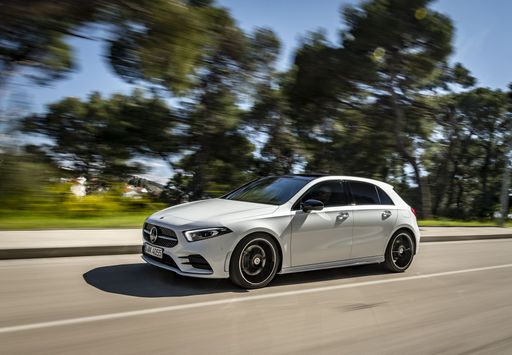
Mercedes A Class
Mercedes A Class
Opel Mokka
Koszty i Zużycie
Zobacz analizę szczegółową
Zobacz analizę szczegółową
Silnik i osiągi
Zobacz analizę szczegółową
Zobacz analizę szczegółową
Wymiary i Nadwozie
Zobacz analizę szczegółową
Zobacz analizę szczegółową
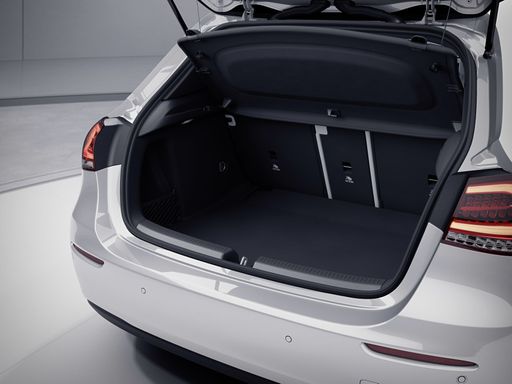
Mercedes A Class
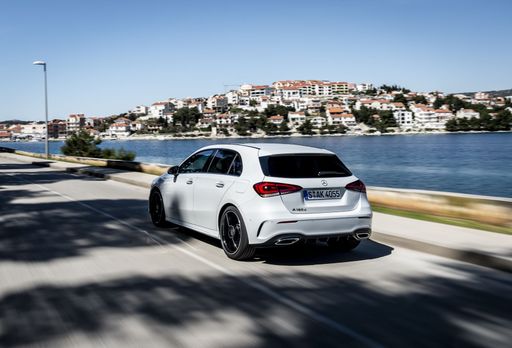
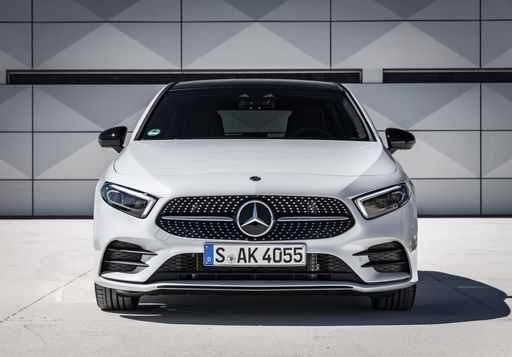
Klasa A to zgrabny Mercedes, który serwuje mieszankę wyrafinowanego charakteru i codziennej użyteczności — wnętrze wygląda jak z wyższej półki, a prowadzenie jest bardziej radosne niż snobistyczne. Dla kupującego to sensowny wybór: daje poczucie prestiżu bez przesadnej sztywności i sprawdzi się zarówno w miejskim zgiełku, jak i podczas weekendowych wypadów.
szczegóły

Opel Mokka
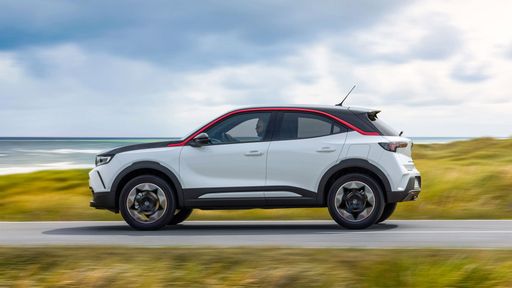
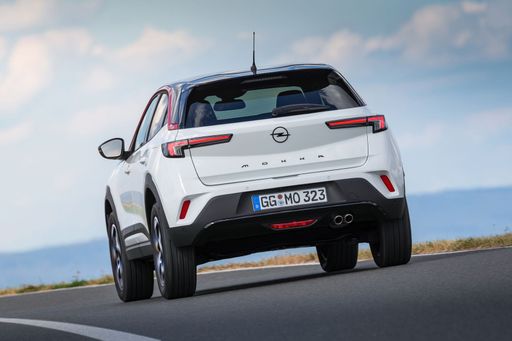
Opel Mokka to kompaktowy SUV, który łączy nowoczesny design z praktycznością w codziennym użytkowaniu. Wnętrze jest funkcjonalne i dopracowane, a prowadzenie pewne, dzięki czemu sprawdzi się zarówno w mieście, jak i na dłuższych trasach.
szczegóły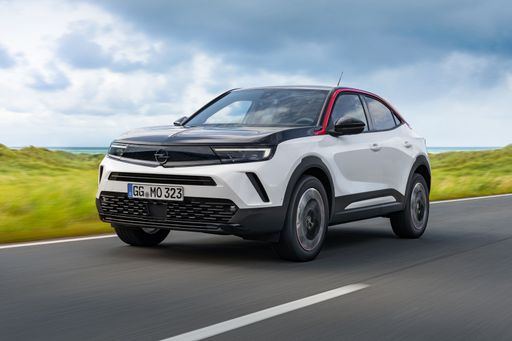
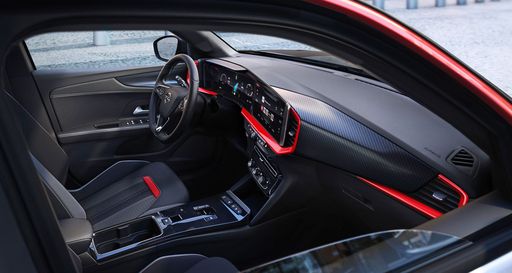
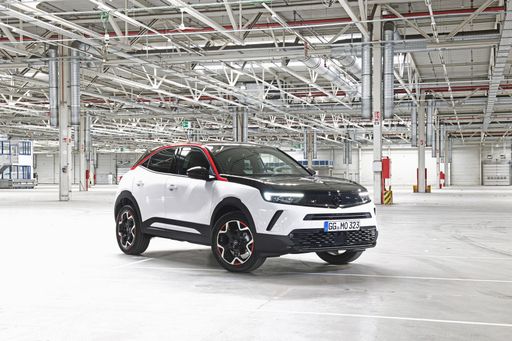
Mercedes A Class
Opel Mokka
Koszty i Zużycie |
|
|---|---|
|
Cena
166 900 - 340 900 zł
|
Cena
118 100 - 207 800 zł
|
|
Zużycie L/100km
2,3 - 9 L/100km
|
Zużycie L/100km
4,9 - 5,7 L/100km
|
|
Zużycie kWh/100km
-
|
Zużycie kWh/100km
15,4 - 18,5 kWh/100km
|
|
Zasięg elektryczny
85 km
|
Zasięg elektryczny
336 - 403 km
|
|
Pojemność baterii
-
|
Pojemność baterii
-
|
|
CO2
53 - 205 g/km
|
CO2
0 - 129 g/km
|
|
Pojemność zbiornika paliwa
-
|
Pojemność zbiornika paliwa
-
|
Wymiary i Nadwozie |
|
|---|---|
|
Typ nadwozia
Hatchback
|
Typ nadwozia
SUV
|
|
Miejsca siedzące
5
|
Miejsca siedzące
5
|
|
Drzwi
-
|
Drzwi
-
|
|
Masa własna
1 440 - 1 695 kg
|
Masa własna
1 294 - 1 672 kg
|
|
Pojemność bagażnika
310 - 350 L
|
Pojemność bagażnika
310 - 350 L
|
|
Długość
-
|
Długość
-
|
|
Szerokość
1 796 - 1 850 mm
|
Szerokość
1 787 mm
|
|
Wysokość
-
|
Wysokość
-
|
|
Maksymalna pojemność bagażnika
-
|
Maksymalna pojemność bagażnika
-
|
|
Ładowność
450 - 485 kg
|
Ładowność
388 - 400 kg
|
Silnik i osiągi |
|
|---|---|
|
Typ silnika
Mild Hybrid Benzyna, Diesel, Hybryda plug-in, Benzyna
|
Typ silnika
Elektryczny, Benzyna, Mild Hybrid Benzyna
|
|
Skrzynia biegów
Automatyczna
|
Skrzynia biegów
Automatyczna, Manuel
|
|
Szczegóły skrzyni biegów
Automatyczna dwusprzęgłowa
|
Szczegóły skrzyni biegów
Reduktor, Manualna skrzynia biegów, Automatyczna dwusprzęgłowa
|
|
Rodzaj napędu
Napęd na przednie koła, Napęd na cztery koła
|
Rodzaj napędu
Napęd na przednie koła
|
|
Moc KM
116 - 421 KM
|
Moc KM
136 - 281 KM
|
|
Przyspieszenie 0-100 km/h
3,9 - 9,7 s
|
Przyspieszenie 0-100 km/h
5,9 - 9 s
|
|
Maksymalna prędkość
-
|
Maksymalna prędkość
-
|
|
Moment obrotowy
200 - 500 Nm
|
Moment obrotowy
230 - 345 Nm
|
|
Liczba cylindrów
4
|
Liczba cylindrów
3
|
|
Moc kW
85 - 310 kW
|
Moc kW
100 - 207 kW
|
|
Pojemność silnika
1 332 - 1 991 cm3
|
Pojemność silnika
1 199 cm3
|
Ogólne |
|
|---|---|
|
Rok modelowy
2025
|
Rok modelowy
2 024 - 2 025
|
|
Klasa efektywności CO2
D, E, B, G
|
Klasa efektywności CO2
A, D, C
|
|
Marka
Mercedes-Benz
|
Marka
Opel
|
DriveDuel wykorzystuje analizę danych i sztuczną inteligencję do analizy danych pojazdów oraz tworzenia treści. Treści są regularnie sprawdzane i ulepszane.
Wyświetlane ceny są wartościami orientacyjnymi opartymi na niemieckich cenach katalogowych, dostosowanych do stawek VAT obowiązujących w danym kraju. Podatki rejestracyjne obowiązujące w poszczególnych krajach nie są uwzględnione. Informacje te nie są prawnie wiążące.