@ Mitsubishi Motors Corporation
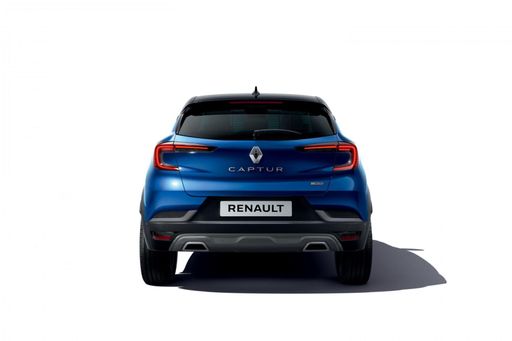
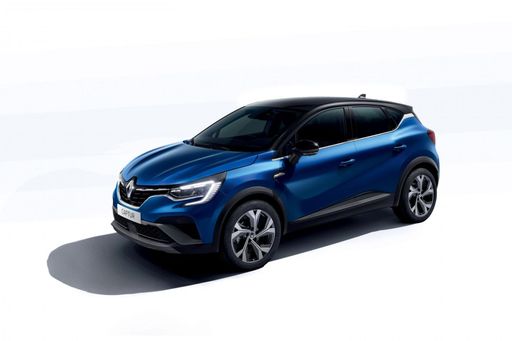
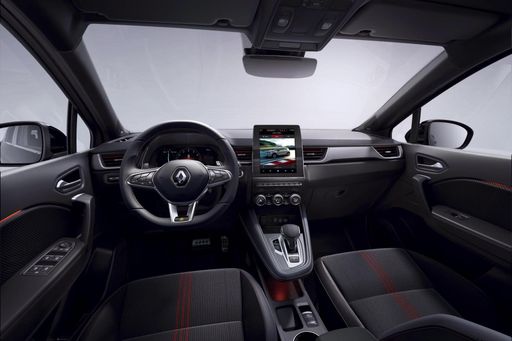
@ Renault Group Media
VS

Mitsubishi ASX vs Renault Captur – Który samochód to lepszy wybór?

Porównaj osiągi, bagażnik, zużycie i cenę jednym rzutem oka.
Sprawdź, który samochód będzie dla Ciebie lepszym wyborem – Mitsubishi ASX czy Renault Captur?

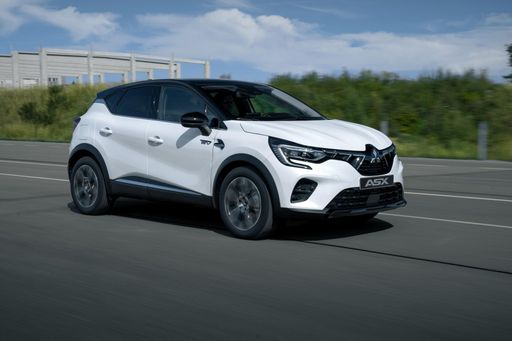
ASX @ Mitsubishi Motors Corporation

Mitsubishi vs. Renault: A Comprehensive SUV Comparison

When it comes to the competitive world of SUVs, both Mitsubishi and Renault are powerful players that provide unique features and innovative technologies. In this article, we delve into a head-to-head comparison of their latest models, focusing on technical aspects, innovations, and on-road performance.

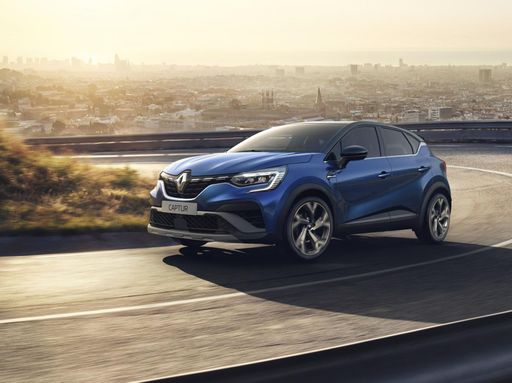
Captur @ Renault Group Media

Engine Performance and Efficiency

The 2024 models from both Mitsubishi and Renault reflect a dedication to performance with diverse engine options. Mitsubishi offers various choices, including petrol and petrol Mild Hybrid engines, with outputs ranging from 91 HP to 158 HP. In contrast, Renault showcases its versatility with full hybrid systems and LPG options alongside traditional petrol engines, providing a range of horsepower output from 91 HP to 158 HP as well.

Fuel efficiency is a cornerstone of modern vehicle design. Mitsubishi's range sees consumption figures as low as 4.7 L/100km, while Renault matches this with its most economical options coming in at similar levels. This indicates a commitment to sustainability while maintaining performance.

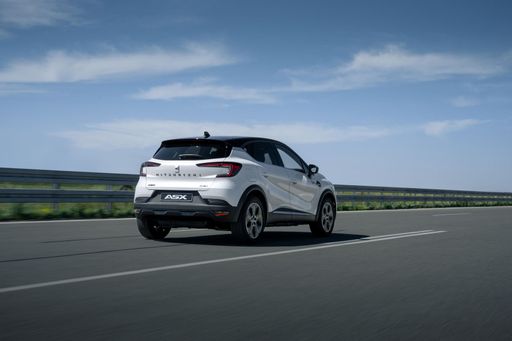
ASX @ Mitsubishi Motors Corporation

Transmission and Drive Type

Both manufacturers employ a Front-Wheel Drive configuration, facilitating control and stability on a variety of terrains. Mitsubishi offers several transmission options, including a manual gearbox and a dual-clutch automatic, complementing its sportier variants. Similarly, Renault provides a well-rounded lineup with automatic and manual gearbox choices, enhancing driver engagement and comfort.

Captur @ Renault Group Media

Acceleration and Speed

The Mitsubishi models display impressive acceleration, with times ranging from 8.5 seconds to 14 seconds for 0-100 km/h, depending on the engine variant. On the other hand, Renault’s acceleration times are slightly more varied, with the top performers reaching 0-100 km/h in as little as 8.5 seconds, cementing Renault’s reputation for sporty dynamics.

In terms of top speed, Mitsubishi peaks at 180 km/h, while Renault offers a similar range, with some models reaching up to 173 km/h. Both manufacturers balance speed with practicality, ensuring that drivers can enjoy spirited performance while maintaining safety and fuel efficiency.

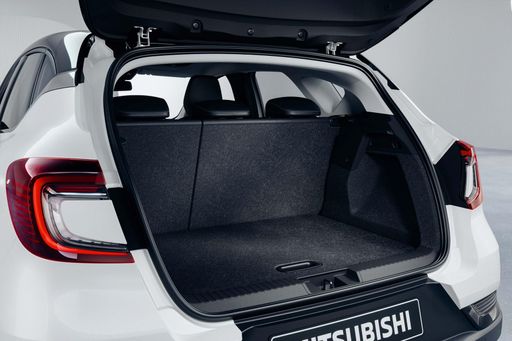
ASX @ Mitsubishi Motors Corporation

Dimensions and Comfort

Dimensions play a crucial role in the perception of space and comfort. Both Mitsubishi and Renault boast similar dimensions; both models feature a length of 4239 mm, width of 1797 mm, and height of 1575 mm. The interior space is optimized for comfort with arrangements for five passengers in both brands.

When it comes to trunk capacity, Mitsubishi takes the lead with 484 liters, while Renault offers a commendable 422 liters, making both options suitable for families and individuals alike. The balance of passenger comfort and cargo space makes these SUVs excellent choices for dynamic lifestyles.

Captur @ Renault Group Media

Innovative Features

The automotive market is increasingly driven by innovation. Mitsubishi has integrated new technologies into its vehicles, focusing on driver assistance systems, enhanced infotainment, and connectivity features. These advancements improve safety and convenience on the road.

Renault has also embraced cutting-edge technology, particularly in its hybrid models. With features like energy regeneration systems and advanced navigation software, Renault ensures that its vehicles are future-proof and environmentally conscious. With both brands prioritizing innovation, consumers can expect a host of modern amenities and safety technologies.

ASX @ Mitsubishi Motors Corporation

Conclusion: Making the Choice

The choice between Mitsubishi and Renault ultimately comes down to personal preference and specific driving needs. Each brand offers robust SUV options that excel in performance, efficiency, and innovation. Whether it’s Mitsubishi's solid reputation for reliability or Renault’s flair for modern engineering, both models present a compelling case for prospective SUV buyers in 2024.

Szczegóły techniczne: konkretne różnice między modelami

Captur @ Renault Group Media

Koszty i zużycie

Porównanie ceny i zużycia paliwa często pokazuje największe różnice. Tu decyduje się, który model lepiej pasuje do budżetu.

Mitsubishi ASX ma niewielki przewagę cenową – jego cena zaczyna się od 105400 zł, podczas gdy Renault Captur kosztuje 108300 zł. Różnica wynosi około 2899 zł.

W spalaniu również widać różnice: Mitsubishi ASX zużywa 4.40 L i jest tym samym prawie niezauważalny oszczędniejszy niż Renault Captur, który spala 4.50 L. To około 0.10 L różnicy na 100 km.

Silnik i osiągi

Moc, moment i przyspieszenie to klasyczne parametry, na których skupiają się entuzjaści – tu widać ciekawe różnice.

Pod względem mocy silnika Mitsubishi ASX ma ledwo zauważalny przewagę158 KM zamiast 143 KM. To różnica około 15 KM KM.

W przyspieszeniu 0–100 km/h Mitsubishi ASX jest ledwo zauważalny szybszy – 8.50 s wobec 8.90 s. Różnica wynosi około 0.40 s sekundy.

Prędkość maksymalna jest identyczna – oba auta osiągają 180 km/h.

Różnica widoczna jest również w momencie obrotowym: Mitsubishi ASX ciągnie niewielki mocniej – 270 Nm wobec 265 Nm. Różnica to około 5 Nm.

Przestrzeń i praktyczność

Samochód rodzinny czy codzienny towarzysz – który oferuje więcej miejsca, komfortu i elastyczności?

Oba samochody oferują miejsce dla 5 osób.

Pod względem masy własnej Mitsubishi ASX jest ledwo zauważalny lżejszy – 1296 kg wobec 1323 kg. Różnica to około 27 kg kg.

Pod względem pojemności bagażnika Mitsubishi ASX oferuje w niewielkim stopniu więcej miejsca – 484 L wobec 422 L. To różnica około 62 L litrów.

W maksymalnej pojemności ładunkowej Mitsubishi ASX wypada trochę lepiej – do 1596 L, czyli o około 233 L więcej niż Renault Captur.

Pod względem ładowności Renault Captur wypada ledwo zauważalny lepiej – 453 kg wobec 449 kg. Różnica to około 4 kg kg.

Kto wygrywa pojedynek?

Mitsubishi ASX okazał się prowadzi wyraźnie w ogólnym zestawieniu i tym samym zdobywa tytuł DriveDuel Champion!
W tym porównaniu Mitsubishi ASX to bardziej wszechstronny wybór.

od około 105 400 zł
ASX @ Mitsubishi Motors Corporation

Mitsubishi ASX

  • Typ silnika : Benzyna, Mild Hybrid Benzyna, Pełna Hybryda
  • Skrzynia biegów : Manuel, Automatyczna
  • Rodzaj napędu : Napęd na przednie koła
  • Moc KM : 91 - 158 KM
  • Zużycie L/100km : 4.4 - 6 L

Mitsubishi ASX

5 (1)
oceń

Mitsubishi ASX to rozsądny kompaktowy SUV dla tych, którzy cenią praktyczność, wygodne wnętrze i pewne prowadzenie na co dzień. Nie szukaj w nim sportowych emocji — otrzymasz za to solidność, rozsądne koszty eksploatacji i wygląd, który nie będzie krzyczał na parkingu, co czyni go idealnym towarzyszem rodzinnych wyjazdów.

szczegóły

Renault Captur

5 (1)
oceń

Renault Captur to zgrabny crossover, który łączy miejską zwinność z przytulnym, łatwym w personalizacji wnętrzem. To wybór dla kierowców chcących auta praktycznego i oszczędnego, ale z charakterem i odrobiną stylu na co dzień.

szczegóły
Mitsubishi ASX
Renault Captur
ASX @ Mitsubishi Motors Corporation
Captur @ Renault Group Media

Koszty i Zużycie

Cena
105400 - 166400 zł
Cena
108300 - 145200 zł
Zużycie L/100km
4.4 - 6 L
Zużycie L/100km
4.5 - 6 L
Zużycie kWh/100km
-
Zużycie kWh/100km
-
Zasięg elektryczny
-
Zasięg elektryczny
-
Pojemność baterii
-
Pojemność baterii
-
CO2
99 - 135 g/km
CO2
102 - 137 g/km
Pojemność zbiornika paliwa
48 L
Pojemność zbiornika paliwa
48 L

Wymiary i Nadwozie

Typ nadwozia
SUV
Typ nadwozia
SUV
Miejsca siedzące
5
Miejsca siedzące
5
Drzwi
5
Drzwi
5
Masa własna
1296 - 1493 kg
Masa własna
1323 - 1514 kg
Pojemność bagażnika
348 - 484 L
Pojemność bagażnika
326 - 422 L
Długość
4239 mm
Długość
4239 mm
Szerokość
1797 mm
Szerokość
1797 mm
Wysokość
1575 mm
Wysokość
1575 mm
Maksymalna pojemność bagażnika
1458 - 1596 L
Maksymalna pojemność bagażnika
1276 - 1363 L
Ładowność
397 - 449 kg
Ładowność
376 - 453 kg

Silnik i Wydajność

Typ silnika
Benzyna, Mild Hybrid Benzyna, Pełna Hybryda
Typ silnika
Pełna Hybryda, Benzyna, Mild Hybrid Benzyna
Skrzynia biegów
Manuel, Automatyczna
Skrzynia biegów
Automatyczna, Manuel
Szczegóły skrzyni biegów
Manualna skrzynia biegów, Automatyczna dwusprzęgłowa, Automatyczna skrzynia biegów
Szczegóły skrzyni biegów
Automatyczna skrzynia biegów, Manualna skrzynia biegów, Automatyczna dwusprzęgłowa
Rodzaj napędu
Napęd na przednie koła
Rodzaj napędu
Napęd na przednie koła
Moc KM
91 - 158 KM
Moc KM
115 - 143 KM
Przyspieszenie 0-100km/h
8.5 - 14 s
Przyspieszenie 0-100km/h
8.9 - 12.3 s
Maksymalna prędkość
168 - 180 km/h
Maksymalna prędkość
180 km/h
Moment obrotowy
160 - 270 Nm
Moment obrotowy
160 - 265 Nm
Liczba cylindrów
3 - 4
Liczba cylindrów
3 - 4
Moc kW
67 - 116 kW
Moc kW
84 - 116 kW
Pojemność silnika
999 - 1789 cm3
Pojemność silnika
1199 - 1789 cm3

Ogólne

Rok modelowy
2024 - 2025
Rok modelowy
2025
Klasa efektywności CO2
D, C
Klasa efektywności CO2
C, D, E
Marka
Mitsubishi
Marka
Renault
Jakie rodzaje napędu ma Mitsubishi ASX?

Dostępne wersje obejmują Napęd na przednie koła.

Wyświetlane ceny i dane są szacunkowe, oparte na niemieckich cenach katalogowych i mogą się różnić w zależności od kraju. Te informacje nie stanowią wiążącej oferty.